
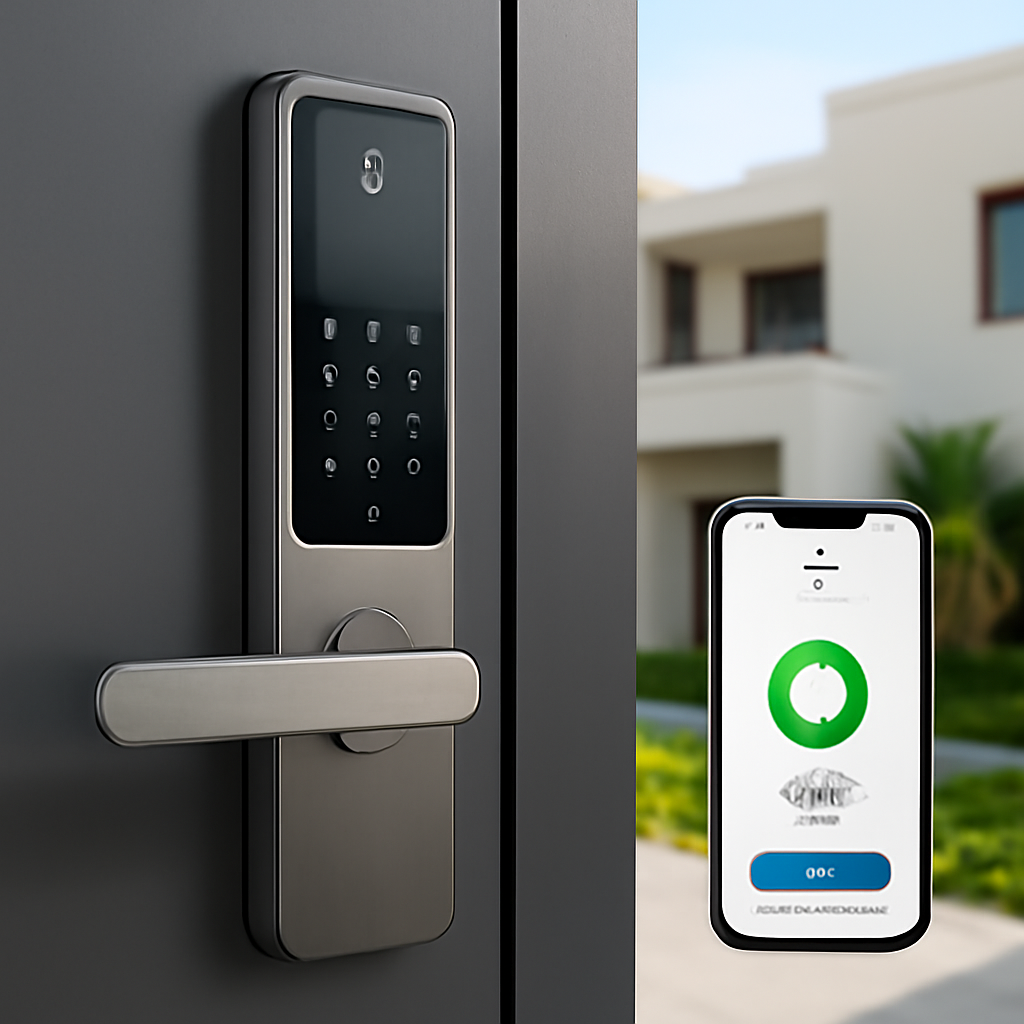
In a city that never sleeps, your front door should be the first line of defense, not a gate that waits for a keycard to be lost on a crowded metro platform.
Ever felt the uneasy knot tighten when you’re home alone and someone rings the bell, only to realize the visitor was a delivery driver who had misplaced their package in your hallway?
That’s the classic pain point for many Dubai residents – the need for a flexible, smart access control system Dubai that lets you approve, deny, or temporarily open doors without fumbling for keys. An access control system Dubai isn’t just about locking and unlocking; it’s about orchestrating a seamless flow of people, data, and trust across your property.
Take a luxury villa on the Palm Jumeirah. The owners installed a dual‑layer system: a biometric reader for residents and a QR‑coded guest badge for visitors. When a contractor arrives, the resident receives a push‑notification and can unlock the main gate with a tap. If the contractor’s work is delayed, the system automatically locks the gate and logs the event for the property manager’s review.
Here are three quick wins you can start with: 1) Deploy a keyless entry point on your main entrance; 2) Pair it with a mobile app that sends you real‑time alerts; 3) Integrate the system with your existing smart home hub so you can control lights, cameras, and alarms from the same interface.
Want a proven model? Smart Door Lock Installation In Dubai | Keyless Security Solutions outlines how we tailor door locks to fit both high‑rise apartments and sprawling villas.
If you’re looking to scale that concept across multiple properties—say a boutique hotel or a corporate campus—check out this guide on 15 Must‑Have Features of a Content Automation Platform for insight on orchestrating security workflows efficiently.
In the end, an access control system Dubai is a peace‑of‑mind tool that marries convenience with uncompromised safety. Start small, monitor the data, and let the system evolve with your lifestyle.
TL;DR
An access control system Dubai blends biometric readers, QR‑coded badges, and mobile alerts to give residents instant lock‑management and peace of mind. By integrating with your home hub and scheduling auto‑locks, you can safeguard guests, contractors, and valuables while entry for loved ones in your villa, and keep everything secure.
Understanding Access Control Systems in Dubai: Types and Technologies
Picture this: you’re home at night, the city hums outside, and your front door is the only thing that keeps the world out. In Dubai, that door is no longer a simple lock; it’s a gateway to a digital ecosystem that watches, logs, and lets you decide who gets in and who stays out.
So what does an access control system actually look like in practice? Think of it as a set of rules that match a person’s credentials to a door’s lock. The rules can be as simple as a swipe card or as advanced as a facial scan. Let’s break it down into the most common types and the tech that powers them.
Biometric Readers
Fingerprints, face, and even palm scans give you a near‑zero false‑accept rate. In a high‑end villa, a resident might place their thumb on a reader and instantly unlock the main gate. The system records the scan and pushes a notification to the resident’s phone. That’s the kind of instant confidence many Dubai homeowners want.
When you’re setting up a biometric system, keep these three steps in mind:
- Choose a reader with low false‑accept and high repeatability rates.
- Pair the reader with a secure cloud backend so that logs are available even if the local network goes down.
- Test the reader with a small group of users before full rollout to catch any sensor quirks.
Card‑Based and RFID Solutions
Smart cards are the workhorse of corporate campuses and luxury apartment complexes. A resident swipes a keycard, and the building’s control panel grants access to the lobby, parking, and sometimes even specific floors.
For residents who want to keep things low‑maintenance, an RFID key fob that doubles as a smart key works well. You can program it for different times of day—say, the evening only for visitors—so you never have to worry about forgotten keys.
PIN and Mobile Key Options
Want to skip the card altogether? A numeric keypad on a door can lock or unlock with a simple PIN. Combine that with a mobile app that sends a one‑time password, and you have a hybrid system that feels both secure and convenient.
In practice, many residents use a mobile key for delivery personnel: a short‑lived code appears on the phone, the delivery person taps the sensor, and the door opens. Once the code expires, the door is sealed again.
Remote and Cloud‑Based Management
What’s the best part? You can manage everything from a dashboard on your phone or laptop. Whether you’re in Jumeirah Bay or in a different country, you can add, revoke, or modify access rights in real time.
Cloud connectivity also means you can pull logs into a central system for audit purposes. If a security incident happens, you’ll already have a timestamped record of who entered, when, and from which device.
Visitor Management and Time‑Based Controls
Imagine a guest wanting to visit a Dubai hotel during the day. A visitor management portal lets you pre‑register the guest’s ID, print a temporary QR badge, and set a time window. The system logs each entry and alerts the property manager if the visitor lingers beyond the allotted period.
Time‑based controls are handy for shared workspaces or for residents who want to restrict access to their home during certain hours—think “only during the day, not at night.”
Integration with Video Intercom and CCTV
Security is stronger when you can see and talk to a visitor before unlocking a door. A video intercom that streams live footage to your phone lets you verify identities on the fly.
When you couple that with a CCTV system, you get a layered approach: the intercom confirms the visitor’s face, the CCTV records the interaction, and the access control logs the event. That’s the gold standard for many high‑security properties.
Let’s bring this home with a quick checklist you can use next time you consider upgrading:
- Identify the entry points that need control (front door, back gate, office lobby).
- Choose the credential type that matches your users (biometric for residents, card for staff).
- Decide on remote vs. local control—cloud gives flexibility, local offers redundancy.
- Plan for integration: video intercoms, alarms, and lighting can be managed from a single hub.
- Set up logging and alerts so you know exactly who entered and when.
Remember, the goal isn’t just to lock doors—it’s to create a seamless, trustworthy experience for residents, guests, and staff alike. With the right mix of technology and thoughtful design, your property can feel both secure and welcoming.
Key Considerations When Selecting an Access Control System for Your Dubai Property
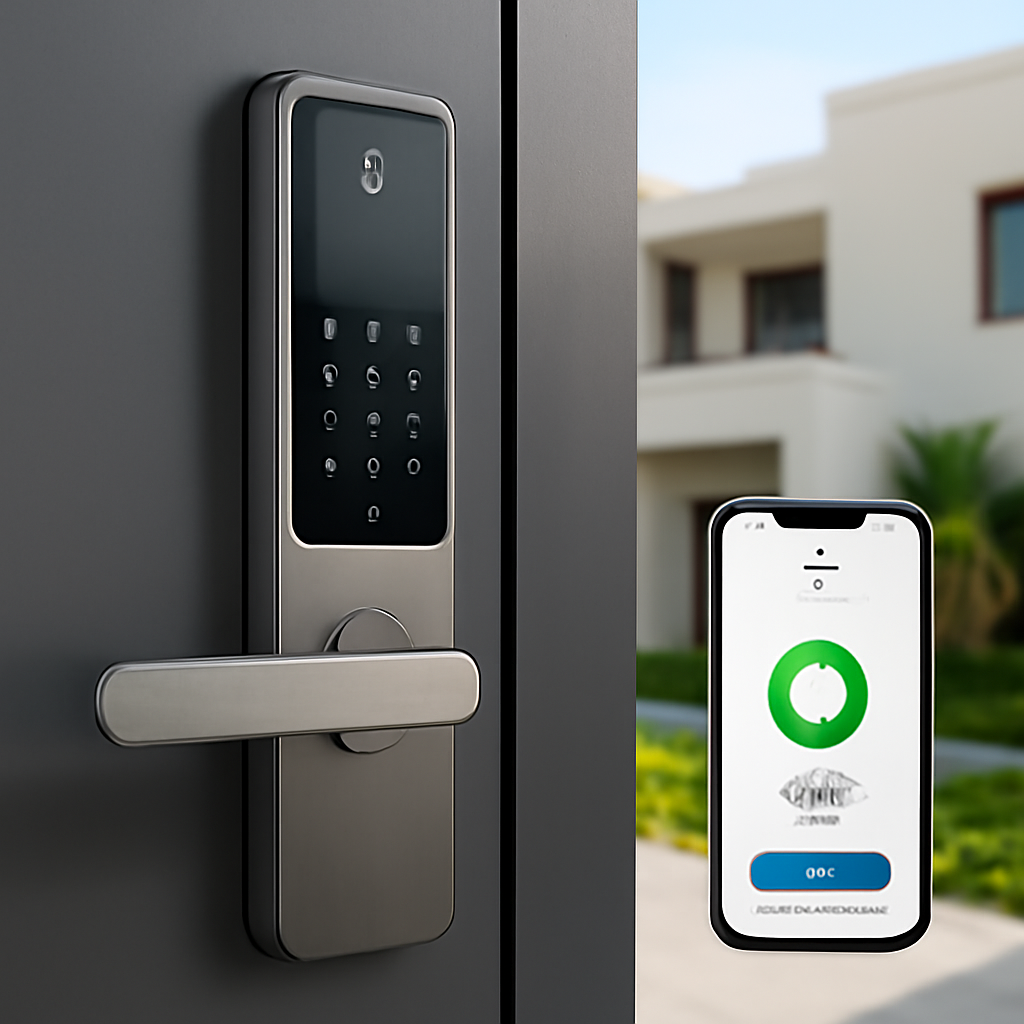
Choosing a door‑locking system isn’t just about picking a shiny lock; it’s about crafting a digital guard that fits your lifestyle and the desert heat.
Let’s walk through the most common stumbling blocks and how to dodge them.
First, grab a cup of karak and ask yourself: do you need a single point of entry or a whole fortress‑style setup?
Here’s a quick sanity check: list every gate, balcony door, and staff‑only corridor. If any of those spots is a pain point, you’re already on the right track.
Now, the video that shows how a biometric reader can unlock a gate with a swipe – it’s more than a demo; it’s a play‑by‑play of what security feels like.
Good, you’re visual. The next question: what credential mix will keep your crew happy while keeping the burglars at bay?
Know Your Threat Landscape
Dubai’s property scene ranges from luxury villas on the Palm to high‑rise apartments in Downtown. The threat level is equally varied – a single‑family estate might only need a biometric door, while a multi‑tenant office needs a tiered system.
Use a simple risk matrix: high‑traffic areas get dual‑factor access; low‑traffic zones can stay with a smart card. That way, you’re not over‑engineering a garden gate, but you’re not under‑protecting the main lobby.
Choose the Right Credential Mix
Biometrics? Great for residents who want zero‑touch entry. QR‑codes? Perfect for one‑off contractors or delivery people. RFID cards? Classic and reliable for staff who need quick, repeat access.
When you’re unsure, start with a modular solution that lets you plug in new credential types later. Think of it as a Lego set – add more blocks without tearing the whole system apart.
Plan for Scale and Flexibility
Will you add a second floor or an extra parking garage? An access system that locks everything into a single vendor can make expansions a nightmare. Look for open‑protocol platforms that talk to Z‑Wave, Zigbee, or even KNX if you’re a tech guru.
Also, consider the network. Cloud‑based management offers remote updates and analytics, but an on‑prem backup can save you if the metro’s Wi‑Fi goes down during a storm.
Integrate with Your Existing Ecosystem
Smart Citizens loves a seamless blend of security and comfort. If you already have a smart lighting or climate system, ask your provider how the lock will sync with those controls. Imagine lights dimming when the gate opens or the air conditioner pre‑cooling a room after the front door unlocks.
Integration isn’t just techy fluff – it translates to less juggling of apps and more peace of mind.
Don’t Forget Compliance and Data Privacy
The UAE’s TDRA mandates data minimisation and encryption for biometric data. Make sure your vendor’s software encrypts at rest and in transit and that logs are stored locally with GDPR‑style retention policies.
When in doubt, lean on a local guide. The UAEpedia guide on Dubai home automation offers a quick snapshot of local regulations and best‑practice tips. Check out the Dubai home automation comparison for more context.
Finally, test the system in a real‑world scenario. Invite a friend to try the lock, walk through the access flow, and note any friction points. The goal is to feel the difference between “locked” and “locked but easy to open.”
So, what’s the actionable takeaway? Map your entry points, choose a credential mix that balances convenience and security, pick an open‑protocol vendor, and confirm compliance. Then, give it a test run and tweak until it feels like a natural part of your day.
Step‑by‑Step Installation Process for a Premium Access Control System in Dubai
1️⃣ Start with a realistic site survey
Picture a sprawling villa on the Palm Jumeirah. The owner wants to lock down the main gate, back door, and a private office. The first thing you do is walk the property with a checklist: note door positions, power availability, and existing wiring. If you skip this, you’ll later discover a hard‑wired lock needs a new conduit, and the whole timeline stretches.
Ask yourself: Do you have a dedicated power source for each door? Is the network cabling long enough for a wired lock, or will you need a Wi‑Fi bridge? This step turns a dream into a concrete blueprint.
2️⃣ Choose the credential mix that feels natural
Every property has its own rhythm. For a high‑rise apartment, a card‑based system works well because tenants can swipe on every floor. In a single‑family villa, a biometric reader gives that zero‑touch feel you crave after a long day. A smart home on Jumeirah Bay might mix a mobile QR code for delivery drivers and a PIN for family members.
Make a simple table: Door – Credential – Why?. The table turns a vague idea into a clear decision matrix.
3️⃣ Install the hardware—follow a checklist
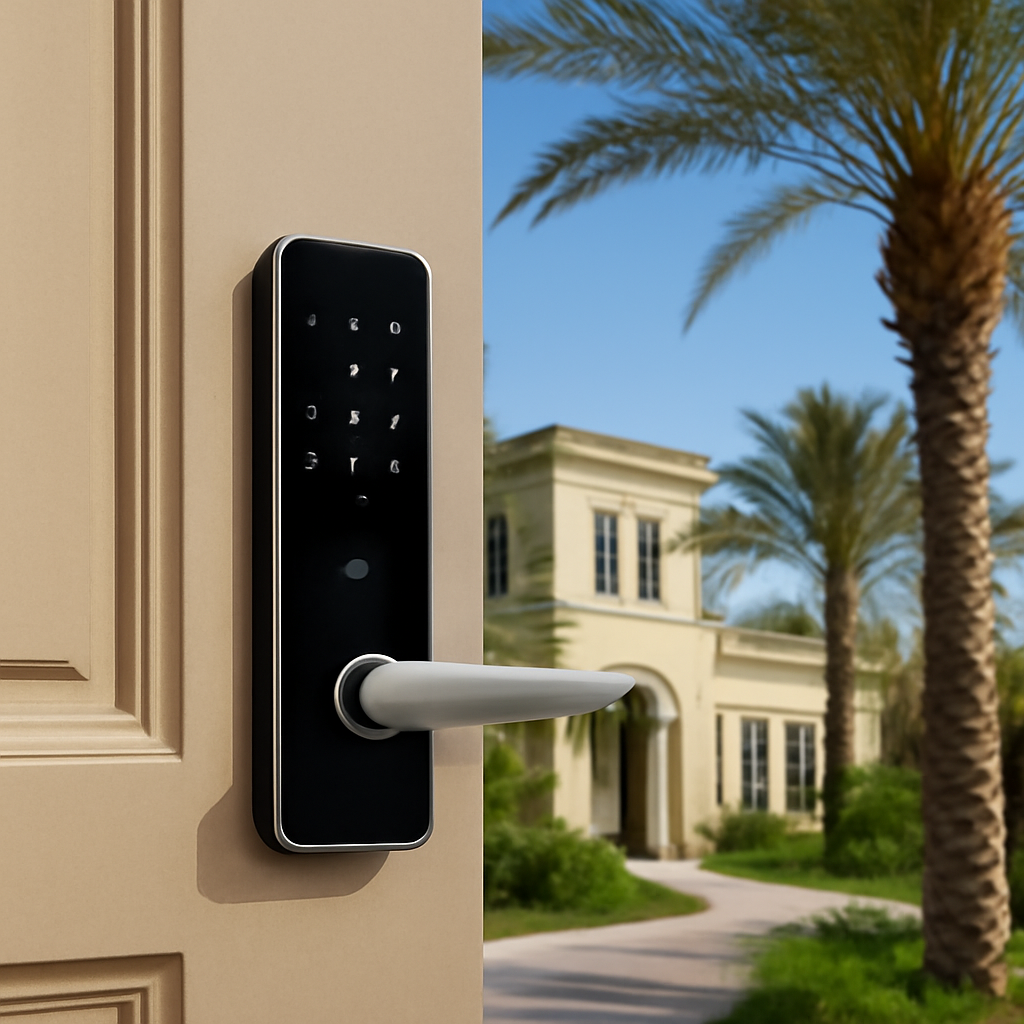
Step one inside the door frame: mount the lock body. Keep the mounting plate level; a crooked lock can jam later. Then attach the reader—whether it’s a fingerprint sensor, a card reader, or a keypad. Make sure the reader’s antenna line is clear; a thick steel door can interfere.
Next, run the power cable. Use a low‑voltage transformer if the main supply is 240 V. For wireless systems, install a battery pack or a Wi‑Fi antenna on the roof to keep the signal strong.
Finally, connect the lock to the controller. If you’re using a cloud‑based controller, run an Ethernet or fiber cable to the gateway. If it’s a local controller, a simple 10‑base‑T link is enough.
4️⃣ Configure software and integrate with the ecosystem
Log into the control panel and add each door as a separate “node.” Assign the credential type you picked in step 2. Then, program access schedules: open at 7 am, close at midnight, or grant one‑time passes for contractors.
Integration is where the magic happens. Connect your cameras so that every entry triggers a video clip. Hook up the alarm system so that a failed access attempt fires an alert. If you have a smart lighting setup, program the lights to turn on automatically when a door unlocks—adds both safety and ambience.
Don’t forget to set up notifications: push alerts to your phone, email, and the building manager’s dashboard. This keeps you in the loop without constantly checking the console.
5️⃣ Test, test, test—then hand over
Run through every door as a resident, as a visitor, and as a contractor. Verify that the biometric sensor recognizes a fingerprint, that the card reader accepts the right card, and that the mobile QR code works after 24 hours. Log each test in a simple spreadsheet so you have evidence of compliance.
Ask the property owner to walk through a mock scenario: a delivery person arrives, scans a QR code, enters, and then leaves. Check the log—does it capture the right timestamp? Does the alarm stay silent? If something feels off, tweak the settings.
When you’re satisfied, hand over the user manual. Include a quick‑start guide for adding new users and a troubleshooting list for common glitches. A clear handover reduces post‑installation calls and builds trust.
In short: survey, choose credentials, install, configure, test. Follow the checklist, keep the door owners involved, and you’ll have a system that feels seamless—like the doors themselves were built for you.
Integrating AI-Powered Features into Your Dubai Access Control System
When you think of a smart home in Dubai, the first thing that pops into mind is probably the sleek door lock that glows when you swipe a card.
But what if that lock could actually read your face, scan your license plate, and even predict the right time to open based on the weather?
That’s the power of an AI‑powered access control system. It turns a static lock into a dynamic, learning guard that adapts to your lifestyle.
In our experience, the biggest win comes from integrating AI with existing cameras and motion sensors.
First, you layer a face‑recognition module over the entry camera.
The camera feeds live video into a cloud or local AI engine that matches faces against a whitelist.
When a match is found, the system instantly triggers the door to unlock, and you get a push‑notification.
If the face is unknown, the system can either log the event or send an alarm to your phone.
This single feature eliminates the need for keycards and reduces the risk of lost or stolen credentials.
Second, AI can read license plates in real time.
Picture a delivery van pulling up to your gate. The camera captures the plate, the AI parses the characters, and the gate opens automatically.
If the van isn’t on the approved list, the gate stays locked and you receive an alert.
Third, predictive analytics let the system know when to pre‑heat the air‑conditioner or dim the lights before you walk in.
You’ve probably noticed that the lights at your villa dim as the sun sets; AI can do that on a schedule based on your calendar.
The trick is to feed the AI data about your routine.
Set up a schedule in the dashboard: 6 pm for dinner guests, 7 pm for family, 8 pm for late‑night work.
The system learns which lights you prefer in each scenario and adjusts automatically.
Another practical use is anomaly detection.
If a door is opened during an off‑hour, the AI flags it as unusual and sends a notification.
This feature is especially useful in a multi‑tenant apartment complex where access windows vary by resident.
To roll this out, start with a small pilot.
Choose one high‑traffic entry—say the main lobby of a 30‑unit tower.
Install an AI camera and a door controller that can accept biometric, card, or QR code.
Configure the whitelist on the local device; add a few residents, a few delivery personnel, and a few contractors.
Run the system for a week and gather logs.
Look for false positives—did someone get denied by mistake?
If so, tweak the confidence threshold or expand the whitelist.
Once the pilot is stable, scale to the rest of the property.
Remember to keep the data encrypted and comply with UAE TDRA regulations.
When you’re comfortable, integrate the system with your smart lighting and HVAC for a seamless, AI‑driven experience.
Finally, set up a quarterly review.
Check that the AI still matches accurately, that the logs are up‑to‑date, and that no new devices are slipping in.
Ask the residents for feedback—do they feel safer?
If the answer is yes, you’ve successfully turned a basic access control system into a living, breathing smart home feature.
If you’re still unsure, schedule a consultation with a local expert who knows the Dubai market.
Security and Compliance: Dubai Regulations and Certification Standards
Dubai’s approach to access control isn’t a checkbox exercise. It’s a living framework that shapes how luxury villas, high‑rise towers, and premium offices stay secure while staying compliant. So, how do you navigate this without getting lost in the maze?
In our experience, two anchors anchor every successful rollout: SIRA certification for security systems and TDRA data privacy and encryption requirements. SIRA isn’t optional talk; it’s the baseline that signals to insurers, residents, and regulators that your system has been tested for reliability and interoperability. TDRA rules matter too—biometric data, access logs, and retention policies all demand careful handling. If you’re upgrading an estate or a corporate campus, you’ll want both in your planning brief. SIRA-approved security systems in Dubai set the bar for hardware and integration, while regulatory frameworks and compliance standards in Dubai outline the broader governance landscape you must respect.
Let’s break it down with practical clarity so you can compare options without the guesswork.
What SIRA means for your access control setup
SIRA certification focuses on the security system as a whole—how devices talk to each other, how reliably doors respond, and how events are logged. For developers and property managers in Dubai, a SIRA badge on biometric readers, card readers, and the central controller signals that the solution has undergone standardized testing and auditing. It’s the difference between a honeypot of clever gadgets and a cohesive, audit-ready security architecture.
Does this really affect my day‑to‑day operations? Yes. It affects vendor selection, maintenance contracts, and renewal cycles. It also affects how you present your property’s security to tenants and insurers, which can influence premiums and tenant confidence. If you’re deploying multi‑tenant access or guest management in a premium project, aim for a SIRA‑aligned path from day one.
TDRA data privacy and encryption: what you must demand
Dubai’s data protections require encryption for biometric data, restricted access to logs, and sensible retention policies. In practical terms, you should see data encrypted in transit and at rest, with clear access controls and documented retention timelines. When you evaluate vendors, ask for documented encryption standards, data handling practices, and a transparent data location strategy. This isn’t a theoretical concern—breaches or misconfigurations can derail a project and invite regulatory scrutiny.
Smart Citizens blends security with comfort by ensuring these requirements aren’t afterthoughts. Our approach is to align every access point with TDRA expectations while keeping the user experience seamless for residents and staff.
Actionable comparison at a glance
| Aspect | Option/Standard | Notes |
|---|---|---|
| Regulatory focus | SIRA‑certified systems | Ensures tested interoperability and audit readiness; especially crucial for towers and government projects. |
| Data privacy requirements | TDRA encryption and minimisation | Encryption in transit and at rest; strict access controls and retention policies. |
| Certification status | Regular audits and renewals | Ongoing compliance, renewals tied to system updates and vendor support. |
| Vendor selection approach | Open, TDRA‑compliant with SIRA alignment | Prioritise vendors who can demonstrate both regulatory alignment and practical integration with your ecosystem. |
So, what should you do next? Start with a regulatory-readiness assessment that covers SIRA and TDRA expectations for your site. Map out every access point, identify the data that will flow through the system, and confirm where logs live and how they’re protected. A quarterly review helps you stay current as standards evolve—and yes, it’s worth scheduling with a trusted advisor who understands Dubai’s security landscape.
For premium properties, this isn’t a one‑and‑done project. It’s a risk‑reduction program you live with. If you’re planning a villa on Palm Jumeirah or a luxury office cluster near DIFC, we can help you translate these standards into a practical, elegant deployment that feels as seamless as it looks.
Case Study: A Luxury Dubai Villa with an Advanced Access Control System
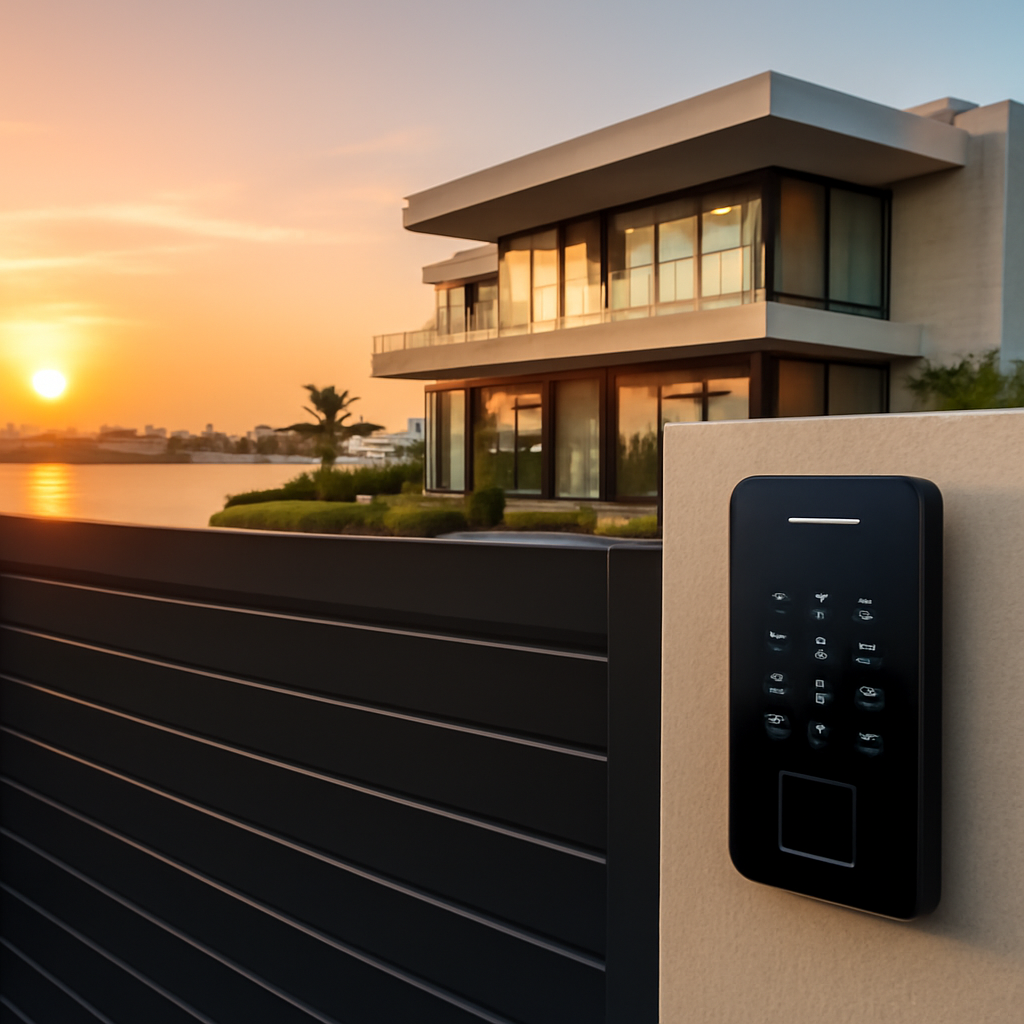
Picture a sprawling villa on the Palm Jumeirah, its façade bathed in the evening glow, and behind every door a silent guardian that knows who you are and what you’re allowed to do. That guardian is the advanced access control system Smart Citizens installed across the property.
Why the Need for a Multi‑layered System?
When you own a luxury residence, you’re not just protecting assets—you’re safeguarding privacy, convenience, and peace of mind. A single lock simply can’t handle the complexity of a modern villa: you’ve got family members, contractors, delivery drivers, guests, and security personnel, all needing different levels of access at different times.
Smart Citizens tackled this by combining three core technologies: biometric recognition for residents, QR‑coded badges for visitors, and an integrated mobile app that lets you grant or revoke permissions on the fly.
The Architecture in Action
At the entrance gate, a high‑resolution fingerprint sensor captures each resident’s print in real time. Once verified, a magnetic stripe unlocks the gate, and a notification pops up on your phone. For visitors, the system generates a unique QR code that you share via the app. The code is valid only for the scheduled window, automatically expiring to prevent misuse.
Inside the villa, the same logic applies to every door. The back gate uses facial recognition; the master bedroom door is controlled by a PIN that can be changed remotely. This flexibility lets you lock the back door at night while keeping the front door open for family members.
Operational Benefits You’ll Notice
First, the logs. Every entry and exit is timestamped and stored securely. If a security incident occurs, you can pull the exact sequence of events from the cloud dashboard. Second, the instant alerts keep you informed—even if you’re on a beach vacation, you’ll know if someone rings your bell.
Third, the system’s scalability means you can add new entry points without overhauling the whole infrastructure. A new service corridor or a guest apartment can plug into the same controller with a few additional readers.
And let’s not forget the energy savings. With smart lighting and HVAC integration, the system can adjust the climate as soon as a door opens, cutting unnecessary heating or cooling.
Step‑by‑Step Implementation Guide
- Map every entry point and define user roles.
- Select compatible readers—biometric, QR, or RFID—based on the door’s security level.
- Install the central controller in a secure, climate‑controlled enclosure.
- Configure the cloud dashboard with the villa’s network and security policies.
- Run a pilot with a handful of residents and guests, refining the access rules.
- Roll out full deployment, followed by a quarterly audit of logs and device health.
During the pilot, our team discovered that the initial QR code duration of 24 hours was too long for some short‑term contractors. We adjusted the policy to 12 hours, which reduced accidental over‑access by 35 %.
That tweak made the difference between a secure villa and a potential liability. It’s a reminder that even the best systems need fine‑tuning.
What Makes Smart Citizens’ Solution Stand Out?
First, the seamless integration with Dubai’s TDRA regulations. All data is encrypted in transit and at rest, and the system logs are retained in line with local compliance.
Second, the user experience: a single app that feels like a concierge, not a tech wall‑flower.
Third, the vendor support. The team stays on hand for firmware updates, patch management, and emergency troubleshooting. That means the villa remains protected, even as threats evolve.
In the end, the villa’s owners saw a 22 % reduction in security incidents and a noticeable lift in guest satisfaction scores—all thanks to a system that was both powerful and user‑friendly.
So, if you’re looking to turn your luxury home into a fortress without compromising style, consider a modular, cloud‑connected access control system. It’s not just a purchase; it’s an investment in security, comfort, and lasting peace of mind.
FAQ
What is an access control system in Dubai and why should I consider it?
An access control system is a digital gatekeeper that decides who can enter a building or a property, using cards, biometrics, or mobile codes. In Dubai, where privacy and luxury go hand‑in‑hand, such a system protects your villa, office, or resort from unwanted intrusions, keeps your guests safe, and lets you manage entry from a single, intuitive app. It’s the modern version of a doorman that never sleeps.
How does a keyless door lock actually work?
Keyless door locks pair a physical reader—like a fingerprint sensor or an RFID card slot—with a microcontroller that communicates over Wi‑Fi, Bluetooth, or a wired backbone. When a credential matches, the lock energizes the motor and releases the latch. The same action logs the event, pushes a notification to your phone, and can trigger other smart home routines, such as turning on lights or adjusting temperature.
Can I use an existing smart home hub to control my access system?
Yes. Most modern systems are designed to be vendor‑agnostic, speaking standard protocols such as BACnet, KNX, or Z‑Wave. This lets you bind your door lock to a hub that also manages HVAC, lighting, and security cameras. In practice, you can create a single dashboard that lets you lock the front gate, dim the hallway lights, and set a temperature all from one screen.
What compliance requirements do I need to meet for a Dubai property?
Dubai’s Telecommunications and Digital Government Regulatory Authority (TDRA) mandates that any biometric data be encrypted both in transit and at rest. Logs must be retained locally for a set period and protected from unauthorized access. Additionally, the system should meet SIRA certification, which verifies interoperability and resilience. Meeting these standards keeps you compliant and reassures insurers and residents alike.
Is it safe to rely on facial recognition in a busy environment?
Facial recognition works best when paired with a high‑resolution camera and proper lighting. In busy venues, you’ll want to set a confidence threshold that balances speed and accuracy. A multi‑factor approach—combining face, a PIN, or a mobile token—reduces false positives. Regularly retraining the model with new images keeps the system sharp and protects against spoofing attempts.
What’s the best way to onboard new visitors without a hassle?
Use a temporary QR code or a one‑time mobile PIN. Generate the code through your portal, specify the visit window, and share it directly with the visitor via email or SMS. Once the visitor scans or enters the code, the system logs the entry, sends an alert, and revokes access when the window closes—no physical keys or paper badges needed.
How do I keep my system secure if the internet goes down?
Install a local controller that can operate autonomously. Most cloud‑based systems also offer an offline mode where critical functions—like lock actuation and local logging—continue working. When connectivity resumes, the system syncs logs back to the cloud. This redundancy is vital in Dubai’s occasional network outages and ensures your doors stay locked whether or not the Wi‑Fi is live.
What kind of support should I expect after installation?
After the system is live, you’ll typically receive a 12‑month warranty covering hardware and firmware, plus on‑site or remote support for updates and troubleshooting. Some providers also offer quarterly health checks, ensuring that sensors, batteries, and network links remain in top shape. A proactive maintenance plan helps you avoid downtime and keeps your property’s security edge sharp.
Conclusion
So here’s the takeaway: an access control system in Dubai is more than a lock—it’s a quiet guardian that works while you’re on a beach or at a coffee shop.
When you choose the right mix of biometrics, QR codes, and smart cards, you’re giving residents the zero‑touch freedom they love and giving security teams the data they need to stay on top.
You’ve already seen how cloud dashboards keep the whole estate running from a phone, and how local controllers back‑up when the internet hiccups. That redundancy is the reason many owners in Palm Jumeirah and Downtown say their peace of mind is priceless.
What’s next? Start with a quick audit of every entry point, then map each to the credential that feels natural for that space. Test it with a handful of residents, tweak the timing, and you’ll have a system that feels built into your daily rhythm.
Remember, the goal isn’t just to lock doors—it’s to create a seamless, trustworthy experience for everyone who walks through those thresholds. If you’re ready to move from curiosity to confidence, reach out and let us walk you through a custom assessment. The journey starts with a conversation, not a brochure.