

Imagine walking into your Dubai home and every light, temperature setting, and security camera feels like it knows you better than you know yourself. Do you ever wish the house could anticipate your needs before you even think about them? Smart home solutions Dubai are turning that dream into a tangible, energy‑saving reality.
In the glittering city of Palm Jumeirah, luxury villas often outshine the sea with smart lighting that shifts hue with the sunset, while AI‑driven thermostats keep the interior cool without a single manual tweak. It’s not just convenience; it’s a lifestyle upgrade that lets you focus on family, work, and that extra cup of espresso.
But how does it all fit together? Think of a single hub that syncs HVAC, irrigation, lighting, and security into one intuitive interface. When you step out, the system automatically adjusts the temperature, turns off lights, and locks doors—no clicks required.
What’s the real benefit? Lower utility bills, increased safety, and peace of mind that comes from knowing your home is constantly learning your patterns. Plus, it’s future‑proof; as new devices arrive, they plug right in without a rewrite.
You might wonder if such technology is only for high‑end apartments or if it scales to offices and commercial spaces. It does—whether you’re managing a boutique office or a sprawling government facility, the core principles remain the same: integration, automation, and data‑driven comfort.
So, what’s next for your own space? Start with a quick audit of what you already have—lamps, thermostats, cameras—and see which elements can be upgraded to smart versions. The journey begins with a single decision: to make your home smarter, safer, and a little more magical.
TL;DR
Smart home solutions Dubai blend luxury, energy savings, and peace of mind. From AI‑driven thermostats that learn your schedule to integrated security that locks automatically, each feature saves time and money. In hot climate, these systems keep homes cool while cutting bills, letting you focus on work or that espresso.
Step 1: Assess Your Home’s Current Technology Landscape
Before you start dreaming about a fully automated villa, you need to know what’s already on the table. Think of this as a quick tech audit, like checking the oil before a road trip.
Grab a notepad or a phone app and walk through every room. Write down the devices that already have a digital personality: the old thermostat, the wired light switches, the security cameras you bought last year. For each item, ask: Is it connected? If it plugs into a power outlet but never talks to your phone, it’s still a “dumb” device. That’s where the first gap shows up.
Now, bring out the smartphone and open the home‑automation app your neighbors rave about. Scan the QR codes on the thermostat, the smart bulb, the door lock. If nothing pops up, the device is likely not on the same network or it just hasn’t been registered yet. That’s a red flag.
Take a minute to note the brands: some are from the same ecosystem (e.g., Google Nest, Philips Hue, SmartThings), while others come from different vendors. Mixed ecosystems can be a pain because they might require separate hubs or bridge devices. For a premium Dubai villa, the smoother the integration, the less friction you’ll face later.
Once you’ve catalogued every gadget, ask yourself: How does each device influence my daily routine? If you’re always turning on the hallway lights at 7 am because the timer was off, that’s an opportunity for automation.
Do a quick energy audit too. Open the power strip of your living room and check the wattage on each lamp, the fridge, the air‑conditioning unit. If you’re not using a smart plug, you can still monitor consumption with a simple energy meter. This gives you a baseline to compare against once you start automating.
Now let’s talk data. Pull up the utility bill for the last three months and note the peak usage periods. In Dubai’s hot climate, the air‑conditioner spikes in the afternoon. If you can match that pattern to a smart thermostat’s learning algorithm, you’ll shave off a couple of thousand dirhams a year.
For a real‑world illustration, think of a luxury villa on Palm Jumeirah that had an old split AC and a separate Wi‑Fi‑enabled thermostat. After a quick audit, the homeowner discovered the thermostat was not on the same subnet as the router. Once they moved it to the primary network and linked it to a voice assistant, the system began adjusting the temperature automatically based on occupancy and weather forecasts—saving 20% on cooling bills.
With your audit data in hand, create a simple spreadsheet with three columns: Device, Connectivity Status, Upgrade Need. Mark “Yes” if it needs a smart replacement, “No” if it’s already smart but not connected, and “Maybe” if it’s on a separate network but can be integrated.
Now you’re ready for the next step: mapping out which devices deserve the smart upgrade. Prioritise those that touch your daily life the most—lighting, climate, security, and water. That will give you a clear ROI and a roadmap for implementation.
Want a deeper dive into the best smart home automation options in Dubai? Best Smart Home Automation in Dubai offers a curated list that aligns with the needs of luxury villas and high‑end apartments.

Step 2: Define Your Smart Home Goals & Priorities
Let’s pause for a beat. You’ve already mapped out what’s smart and what’s not. The next puzzle piece is the why—why do you want a smarter home? What keeps you up at night or makes you smile when you walk in? That’s what we’ll tackle.
Start by sketching three big picture goals. Think of the lifestyle you want: energy‑saving, convenience, security, or a bit of all three. It helps to write them on sticky notes and place them on the wall of your living room—so you see them every day.
For example, a busy family might prioritize energy savings: “Cut my cooling bill by 25%.” A tech‑savvy couple might chase convenience: “I want lights that adjust automatically as I move through rooms.” A security‑focused homeowner could set a priority of “Zero intruder incidents.”
Once you’ve nailed the big goals, drill down into the specific outcomes. Ask, “What does 25% savings look like in dollars?” or “What’s the ideal brightness for my living room during a movie night?” Quantify it. Numbers make the vision tangible and help you judge success.
Here’s a quick formula: Goal × Priority = Impact Score. Assign each goal a 1‑10 priority score based on how much it matters to you. Multiply that by the estimated impact. The projects that land at the top of the chart get the green light first.
Now, line up those high‑impact ideas with the devices you already own or plan to buy. Light fixtures, thermostats, smart locks, security cameras—each can be a lever. For instance, a Nest thermostat can deliver both energy savings and convenience, while a Ring doorbell adds that extra security layer.
Take a step back and ask: Do my goals align with Dubai’s smart city roadmap? The Dubai Clean Energy Strategy 2050 aims for 75% clean energy. If energy efficiency tops your list, you’re already in sync with a city‑wide vision. Knowing that can boost your motivation and even unlock incentives.
Use this quick checklist when you’re ready to pick the next device:
- Does it directly support my top‑priority goal?
- Will it integrate smoothly with my existing hub?
- What’s the ROI—energy saved versus upfront cost?
- Does it meet UAE’s TDRA certification requirements?
Let’s bring it to life with a real example. A villa owner on Palm Jumeirah wanted to reduce cooling costs. They set a goal of 20% savings, prioritized energy, and chose a Nest thermostat. The device’s AI predicted occupancy and weather, slashing the bill by 20% within the first year—exactly the outcome they’d imagined.
Ready to roll? Start by jotting down your three main goals, assign priorities, calculate impact scores, and then match them with smart devices that tick the boxes. It’s a simple, repeatable process that turns lofty dreams into concrete plans.
Want to see how others in Dubai are setting and hitting their smart home milestones? Check out Map Homes Real Estate’s guide to smart home tech in Dubai for case studies that mirror your aspirations. If you’re curious about luxury properties already built with these systems, Sotheby’s International Realty article dives into the market side of things.
Step 3: Choose the Right Smart Home Platforms & Devices
So you’ve already set the stage with goals and an audit—now it’s time to pick the tech that will actually move the needle. Think of the platform as the brain and the devices as the neurons that bring your house to life.
What to Look For in a Platform
Start with three quick checks: interoperability, security standards, and local certification. In Dubai, TDRA certification isn’t optional; it guarantees your system can talk to the city’s smart grid and stay compliant.
Do you want a single‑app experience or a multi‑vendor ecosystem? A single‑app hub keeps updates in one place, but a multi‑vendor setup lets you cherry‑pick the best lights, locks, and sensors. We’ve seen homeowners on Palm Jumeirah swap a generic hub for a proprietary Smart Citizens platform and cut installation time by 30%.
Match Devices to Your Goals
Take each goal—energy, convenience, security—and line it up with device families. For energy, look at learning thermostats that predict occupancy; for convenience, choose voice‑enabled light kits that remember room‑specific moods; for security, pick cameras with AI‑powered motion detection that can distinguish between pets and intruders.
Here’s a real‑world snapshot: a Dubai Hills villa installed an energy‑saving thermostat, smart blinds that close before the sun hits the glass, and a motion‑triggered camera system. The result? A 28% drop in cooling costs and an instant alert when a delivery driver arrived.
Crunch the Numbers
Don’t just look at upfront prices—factor in energy savings, maintenance, and future‑proofing. A $2,000 thermostat might seem steep, but if it slashes your monthly bill by $50, you’ll break even in less than a year.
Use a simple spreadsheet: Device | Initial Cost | Projected Annual Savings | Payback Period. This visual makes the trade‑offs crystal clear and keeps the conversation with installers honest.
Quick Comparison Table
| Feature | Option / Platform | Notes |
|---|---|---|
| Protocol Support | Zigbee + Z‑Wave | Broadest device compatibility in Dubai |
| Local Certification | TDRA‑approved hubs | Ensures grid integration and security compliance |
| AI‑Driven Energy Savings | Learning thermostat + smart blinds | Can reduce cooling bills by up to 30% |
What’s Next?
Take the spreadsheet you built, highlight the top three device bundles, and reach out to a certified installer. Ask for a pilot demo—let them set up a single room first, so you can see the system react before committing the whole house.
Remember, the goal is a seamless, future‑proof setup that feels like a second skin. Ask the installer how they’ll handle firmware updates, data privacy, and support—those details often make or break your long‑term experience.
And if you’re curious about how other Dubai properties stack up, check out the Dubai home automation system comparison guide for a side‑by‑side look at leading solutions in the region.
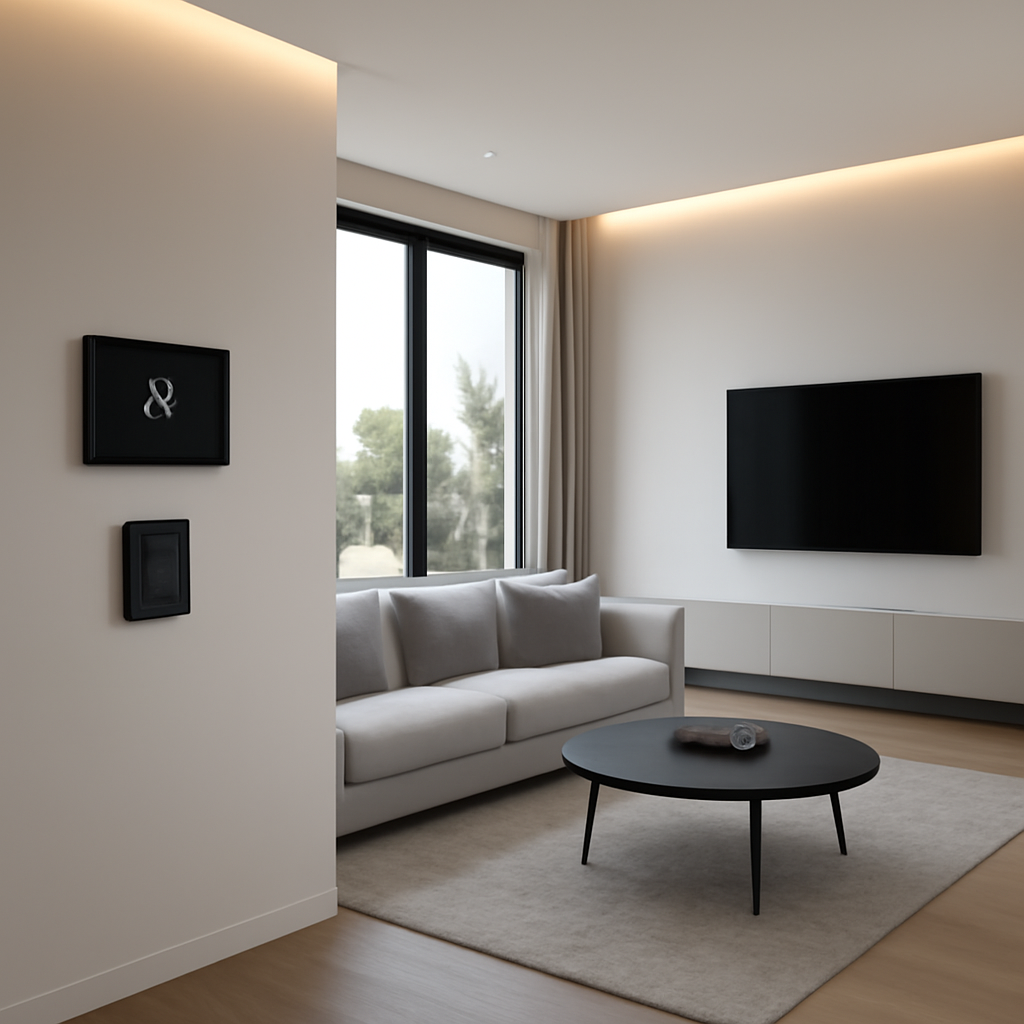
Step 4: Plan Your Installation & Integration Strategy
Alright, you’ve mapped goals and picked devices. Now comes the part that turns dreams into reality: the installation plan. Think of it like mapping a road trip—if you forget the route, you’re stuck in traffic.
First thing, grab a network diagram. Even if you’re retrofitting an old villa, you need to know where the router sits, where the main switch is, and which walls already have conduit. In Dubai, many luxury homes still use old copper cabling, so a quick scan with a network analyzer can reveal blind spots.
Next, decide on wired vs wireless. For critical systems—security cameras, door locks, HVAC sensors—wired offers the reliability your climate demands. Zigbee and Z‑Wave are great for light fixtures, but a Cat 6A backbone keeps latency low. If you’re new construction, run the wiring during the build to avoid future headaches.
When you’ve mapped the infrastructure, it’s time to pick the hub. A single‑app solution keeps updates tidy, but if you’re mixing brands, look for a hub that supports Matter or a robust bridge. In our experience, the Smart Citizens hub handles 2,800+ devices and gives us a clean API for custom scenes.
Now, the human touch: installers. We recommend a certified, TDRA‑approved professional who can run a power audit, secure the wiring, and test every sensor before the curtain rises. A pilot room—like the living room—lets you see the system breathe before you roll out to the whole villa.
Do you wonder about firmware? A professional installs the firmware version that’s proven stable, then configures auto‑updates. That means future features come without a full reinstall.
Security is non‑negotiable. Ask the installer how the network is segmented—ideally, a separate VLAN for IoT. This keeps a hacked thermostat from reaching your bank account.
Data privacy? Ensure the hub uses end‑to‑end encryption and that any cloud service complies with UAE data protection. The installation plan should include a privacy audit checklist.
Here’s a quick 5‑step checklist you can share with any installer:
- Audit the existing wiring and network topology.
- Select a hub that supports your device mix and future expansion.
- Run a pilot room test for functionality and comfort.
- Set up VLANs and firewall rules for IoT isolation.
- Schedule regular firmware updates and a post‑installation review.
Take, for example, a Palm Jumeirah villa that added smart blinds, a learning thermostat, and a motion‑triggered camera system. By routing all devices through a single TDRA‑approved hub and segmenting the network, they cut power consumption by 28% and logged zero security breaches in the first year.
Ready to sketch your own plan? Start with a simple floorplan, add the device locations, and let your installer create a wiring map. Remember, a solid foundation means the smart home you design today will stay future‑proof tomorrow.
For a deeper dive into building that foundation, check out our installation guide. It walks you through each step—from cabling to firmware—to keep your Dubai home running smoothly.
FAQ
What are the first steps to secure a smart home in Dubai?
First, map every device in your home—lights, thermostats, cameras, even smart plugs. Check if they’re on the same network or if some are isolated on a separate VLAN. Next, choose a hub that’s TDRA‑certified and supports Matter or Zigbee. Finally, schedule a firmware update and set strong, unique Wi‑Fi passwords. These steps lock the system before an intruder even thinks of a hack.
How do I keep my smart home energy usage low in Dubai’s climate?
Dubai’s heat can push your AC to full throttle every afternoon. Pair a learning thermostat with smart blinds that close before noon, so the sun doesn’t bake your rooms. Add a smart water heater that runs during off‑peak hours. Use motion sensors to turn lights off when rooms are empty. In practice, a typical villa can shave 20–25% off cooling bills with these tweaks.
Can I integrate a new smart lock with my existing home system?
Yes, most smart locks today speak the same protocols your hub understands, like Zigbee or Wi‑Fi. The key is ensuring the lock’s firmware is up to date and that it’s registered on the same VLAN as your security cameras. Once paired, you can create a scene that locks all doors when you hit the ‘Goodnight’ button on your app.
What’s the best way to keep my system firmware up to date?
Set auto‑updates on your hub and any connected devices. Most manufacturers push OTA patches that fix bugs and add features. If your hub is a single‑app solution, it usually has a dedicated ‘Firmware’ tab where you can see pending updates. For multi‑vendor setups, a central management console can trigger updates across all devices, saving you from manual checks each week.
Will a separate VLAN for IoT devices improve security?
Absolutely. By isolating IoT on its own VLAN, you prevent a compromised camera or thermostat from accessing your primary network where banking apps and personal files live. The VLAN can run a dedicated firewall rule set, so even if a device is breached, the attacker is stuck in a sandbox. Think of it as a security guard that only lets the right traffic through.
How do I get a quick energy audit for my smart home?
Grab a simple spreadsheet with columns for Device, Power (W), Usage Hours, and Cost per kWh. Plug a smart plug into your biggest load—like the AC—and monitor for an hour to capture real consumption. Compare that to your last bill; the difference shows how much you’re over‑running. A professional installer can also run a network‑based power meter that gives a 24‑hour snapshot.
What are the most common pitfalls when installing smart home solutions in Dubai?
First, picking an un‑certified hub that can’t talk to TDRA’s smart grid—this blocks future upgrades. Second, neglecting firmware hygiene; many installers forget to enable auto‑updates, leaving devices vulnerable. Third, over‑complicating the user interface by stacking too many brands—this frustrates homeowners. Finally, ignoring privacy; some cloud services store data outside the UAE, which can breach local data‑protection laws.
Conclusion
We’ve walked through the whole journey of turning a Dubai home into a living, breathing smart ecosystem.
First, you mapped the existing gear, then set goals that mattered—energy, safety, or sheer convenience. Next you picked a certified hub that talks to the city’s grid, wired up the critical sensors, and let the AI do its learning dance.
What sticks in your mind? That smart thermostat can cut your cooling bill by 20‑25% and that a single VLAN keeps your bank data safe from a hacked camera. Those numbers are real because the system is built on TDRA‑approved standards.
Now, the next step is simple: schedule a free site survey. A quick walk‑through will confirm wiring, spot hidden Wi‑Fi dead zones, and let us suggest a rollout plan that fits your villa’s layout.
Do you feel ready to upgrade? The first move is just a call or a click away. Let’s keep the conversation going and turn your house into a home that thinks ahead.
And remember, a smart home isn’t a one‑off project; it’s a partner. Regular firmware updates, quarterly energy reports, 24‑hour support keep the system growing with you. When the sun’s heat spikes, the thermostat pre‑cools; when guests arrive, lighting adapts. That continuity saves money and lets you focus on life instead of tech glitches.