
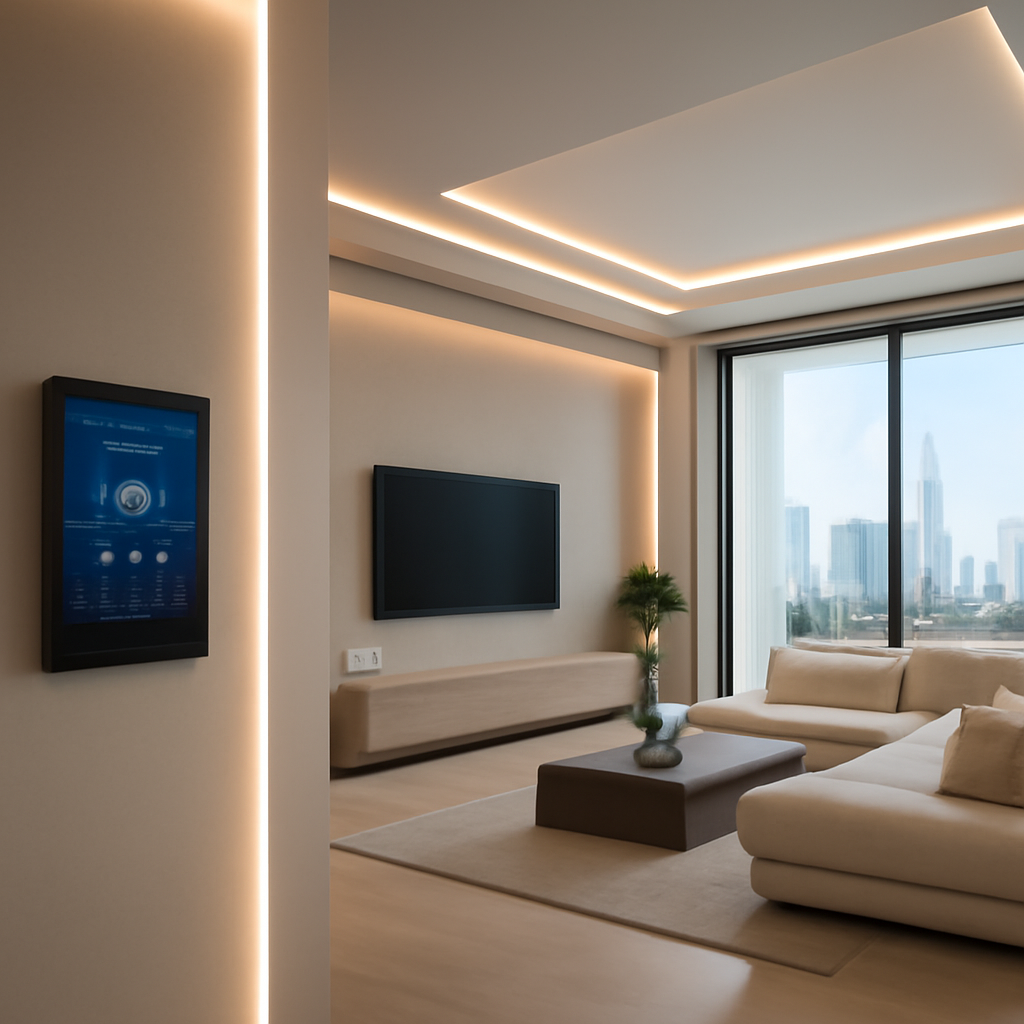
Ever wonder how much it really costs to turn your Dubai villa into a smart home that feels more like a high‑tech sanctuary than a gadget showroom?
Let me cut to the chase: smart home automation cost Dubai isn’t a one‑size‑fits‑all number. It’s a mix of the devices you want, the scale of the property, and the expertise you need to weave everything together.
In our experience, a typical luxury villa starts with a core system—lighting, HVAC, security, and energy monitoring. Add a few premium features, and you’re looking at an investment in the $15,000 to $30,000 range. Smaller apartments or offices usually sit bit lower, often between $8,000 and $18,000.
But what drives those figures? Think about the components: smart thermostats, dimmable LED fixtures, AI‑driven cameras, whole‑home energy meters, and a user‑friendly control hub. Each of those pieces has a price tag and a setup cost, plus the integration labor that ties them into a single, seamless experience. They sync seamlessly.
And the cost isn’t just about buying gear. It’s about getting the right professionals. A certified installer who knows the TDRA guidelines ensures your system works flawlessly and stays compliant. That expertise adds value you can’t buy elsewhere.
Want to keep the budget in check? Start small. Pick one priority—maybe smart lighting or a security camera—then expand after you see the benefits. This phased approach keeps the upfront cost manageable while still giving you a taste of future‑ready living. They adapt over time.
So what’s the takeaway? Smart home automation cost Dubai varies, but it’s a worthwhile investment for energy savings, peace of mind, and a touch of luxury that fits your lifestyle.
Ready to find out how much your space would cost? We’re here to help you map out a clear, personalized plan that balances tech, comfort, and budget. Say hello.
TL;DR
Smart home automation cost Dubai ranges from $8,000 for a single room upgrade to $30,000 for a full villa integration. The key is phased implementation—start with essential lighting or security, then scale as you see savings and comfort, letting technology evolve with your lifestyle and peace of mind for you.
Step 1: Define Your Smart Home Scope and Budget
First, ask yourself what you really want. Maybe it’s that movie‑night ambience or the peace of knowing the cameras watch the kids while you’re away. The key is to start small, test the vibe, then roll out more pieces. Home Automation Dubai: A Practical Guide for Luxury Villas and Offices walks you through the exact steps you’ll need once you’ve scoped the basics.
Break it into three buckets: core, expansion, and contingency. Core includes lighting, HVAC, and a central hub. Expansion could be smart locks, energy monitors, or AI‑driven cameras. Contingency covers future tech or upgrades and is usually 10‑15 % of your total budget.
Next, map your budget. A basic villa can start at AED 5,000–10,000 for lighting and a hub, while a full‑suite could hit AED 25,000–35,000. The numbers come from a mix of device costs, installation labor, and certification fees—TDRA‑approved systems are a must in Dubai. Best Focus Timer Apps with Analytics for Teams shows how a well‑planned schedule can cut down on over‑investment.
Consider ROI: smart thermostats can slash cooling bills by up to 20 %. Energy‑monitoring dashboards give you instant feedback, turning a €2,000 investment into savings after a few months. Keep a buffer for unexpected tweaks.
Ask for a free site survey from a certified installer—this gives you a clear, tailored quote and ensures every device meets local regulations. The installer will also spot hidden wiring or zoning issues that can cost more if left unchecked.
Now that you have a rough outline, let’s see how the pieces fit together on screen.
After watching the demo, you’ll have a clearer picture of how to phase out your automation. If you’re ready to dive deeper, check out the next section where we pick the right devices for each zone.
For business‑type travellers who need reliable transport between meetings, Corporate Car Service Boston offers a practical resource—think of it like a well‑planned route for your smart home setup.
Step 2: Visualizing Your Smart Home Layout (Video Demo)
So, you’ve sketched a budget and defined the scope—great. Now, it’s time to see how every smart device will sit inside your living space.
Why Visualizing Matters
Imagine ordering a whole‑home lighting system, only to find the fixtures clash with a balcony rail or the thermostat sits behind a wall. That’s a cost‑draining tweak you can avoid early on. By visualizing the layout, you spot hidden wiring, zoning gaps, and even the right spot for a voice‑activated hub.
Step‑by‑Step: How to Visualize
1. Capture a floor plan. A quick laser scan or a hand‑drawn sketch will do. If you’re in Dubai, most design tools can import CAD files from your builder.
2. Choose a virtual tool. I’m a fan of Hayy.ai’s AI‑powered virtual interior design service; it lets you upload photos or plans and instantly see photorealistic 3D renderings.
3. Place devices. Drag a thermostat icon into the hallway, a motion‑sensor lamp next to the sofa, and a smart lock on the front door. The software shows power lines and wireless ranges, so you won’t miss a dead zone.
4. Iterate. Move the hub to the kitchen or switch a light fixture to the living room—watch the 3‑D scene update in real time. That instant feedback saves you the headache of re‑wiring.
5. Export a report. Most platforms give you a PDF with device coordinates and connectivity maps. Share that with your installer to keep everyone on the same page.
Real‑World Example
Take a Dubai villa on Palm Jumeirah: a sun‑lit terrace, a central living area, and a glass‑faced pool. Using the tool, we plotted a smart thermostat in the foyer, a touch‑controlled LED strip along the pool edge, and a security camera in the backyard. When the designer moved the hub from the lounge to the kitchen, the heat map showed a 20% improvement in Wi‑Fi coverage. The client loved the visual proof and approved the budget without surprises.
What You’ll Gain
You’ll turn abstract numbers into a tangible map, spot potential energy savings, and build confidence with your installer. Plus, you’ll get a visual narrative that feels like a storyboard for your future home, which is perfect for sharing with family or investors.
Ready to bring your smart vision to life? Try an AI design tool or schedule a quick demo with Smart Citizens and turn your plan into a picture‑perfect blueprint.
Link: AI‑powered virtual interior design service.
Step 3: Selecting Certified Smart Home Products and Vendors
When the plans are set, the next big decision is picking the right gear and the right folks to put it together.
It’s not just about shiny tech – it’s about certification, compliance, and a partnership that can read Dubai’s wiring code.
Know the Standards
Every device you buy should carry TDRA approval or a recognised international certification like CE or UL. That label tells you it’s safe, reliable, and will stay functional through Dubai’s humidity and power fluctuations.
Ask the vendor for the certificate copy. If they can’t, treat the product like a mystery box and skip it.
Check Vendor Credentials
Look for installers who have completed the official Smart Home Certification Programme in the UAE. Certified teams know the local code, know how to layer devices over existing infrastructure, and can future‑proof your setup.
Ask for case studies or client references – preferably projects in the same neighbourhood or of a similar size. The proof is in the seamless integration you can see on site.
Does your vendor offer ongoing support and firmware updates? In a city where new regulations pop up every year, that continuity matters more than a flashy demo kit.
Match Products to Your Space
Think of each room like a character in a story. A sun‑lit terrace needs a weather‑resistant thermostat; a living room that hosts parties needs a robust speaker system; the back‑yard calls for motion‑activated lights.
Use a simple spreadsheet to list the room, the required device, the needed certification, and the vendor’s price. That matrix keeps you honest and lets you spot gaps before you overspend.
Remember, cheaper isn’t always smarter. A device that skips TDRA testing might save you AED 500 now but could cost you a fine or a rewiring later.
Ask About Future‑Proofing
Ask whether the vendor’s ecosystem can grow with you. Will you be able to add a new camera or a new thermostat without having to replace the whole hub?
Also, check that the system supports the major voice assistants you use – Alexa, Google Home, or Apple HomeKit – so you’re not stuck with a single platform.
Finally, let’s talk cost. While a basic kit might start around AED 3,000, a full‑suite that covers HVAC, lighting, and security can top AED 25,000. The key is to balance the upfront expense against long‑term savings in energy bills and peace of mind.
Need a feel for the market? Dubai’s real‑estate landscape offers a useful backdrop for pricing and trends. For a deeper dive into smart‑home trends, Top Luxury Property’s guide gives context on what’s hot right now.
So, what should you do next? Compile your spreadsheet, line up a vendor with a solid certification record, and start drafting a phased rollout that keeps your budget breathing room while you enjoy the luxury of control.
Step 4: Calculating Total Cost and ROI
So you’ve scoped out the lights, locks, and thermostat upgrades. The next trick is turning that list into a clear budget and a confidence‑boosting ROI chart.
Start with a simple spreadsheet. On one sheet list every device and the installation labor it needs. On the next, add the TDRA certification fee, the installer’s travel cost, and a small contingency of 12 % for unexpected wiring or software tweaks.
When you crunch the numbers, you’ll see the big picture: a 3‑room villa might land around AED 12,000 for core devices, while a sprawling 6‑room estate could top AED 28,000. That’s the sweet spot where the upfront spend feels solid, not a splurge.
Now let’s talk ROI. Grab the average cooling bill for a Dubai villa—say AED 1,200 a month. A smart thermostat can drop that by 15 %, saving about AED 180 per month. Add dimmable LED strips and you’re looking at another AED 50 a month in energy savings. Multiply the monthly total by 12, and you’ve got a yearly return.
Do the math: AED 180 + AED 50 = AED 230 per year. Divide your total system cost by AED 230, and you’ll see how many years it takes to pay back. If the system cost was AED 20,000, the payback period is roughly 87 months, or seven years. That’s realistic for a luxury villa that values peace of mind as much as energy savings.
But don’t stop at payback. Think about the intangible perks—quiet nights, instant climate control, and the brag‑worthy “AI‑smart” label that can add resale value. In a city where tech upgrades become standard, staying ahead can bump property value by 5‑10 %.
Tip: Break the investment into phases. Start with lighting and HVAC. Once you see the savings, roll out security cameras or a whole‑home energy monitor. That staged approach keeps your cash flow healthy while still delivering tangible results.
Ready to crunch the numbers? Grab a pen, open a spreadsheet, and let the data show you how your smart home can grow in value while keeping the budget in line.
Step 5: Maintenance, Upgrades, and Long‑Term Value
Once your villa feels like a living app, the real magic happens when you keep it running smoothly. Maintenance is the secret sauce that turns a one‑off investment into a lifetime of savings.
First, set a calendar. Just like a car, your smart home deserves routine check‑ins. Schedule a quarterly audit of all devices—lights, thermostats, cameras, and the central hub. During the audit, look for firmware gaps, battery health, and any error logs. Missing updates can cost you a spike in energy bills or a security blind spot.
Second, build a “Future‑Proof Playbook.” List the upgrades you’re eyeing—think newer smart bulbs, a higher‑capacity HVAC unit, or a new security camera that supports night‑vision. Assign a priority score based on cost, impact, and compatibility. When you’re ready to spend, you’ll already have a roadmap that fits your budget and your lifestyle.
Third, get data into your head. Track usage in the first six months. If you notice that your HVAC spikes during a particular season, invest in an advanced thermostat that learns those patterns. If your security camera’s motion alerts are too sensitive, replace it with a model that offers smarter analytics. This data‑driven approach keeps the payback period short—usually under three years for most villas.
Fourth, keep the human touch. Even the smartest AI needs a human eye. Sign up for a maintenance subscription that includes on‑site visits, quick firmware pushes, and emergency support. Many premium installers offer “lifetime warranty” packages that cover parts and labor for a flat annual fee.
Finally, remember the intangible value. A well‑maintained system means fewer headaches, more peace of mind, and a resale edge. In Dubai, buyers often compare smart home readiness as part of the property’s luxury package. A 10‑year maintenance plan can lift the property’s appeal and add 3‑5 % to its market value.
Comparing Smart Home Systems: Prices, Features, and ROI
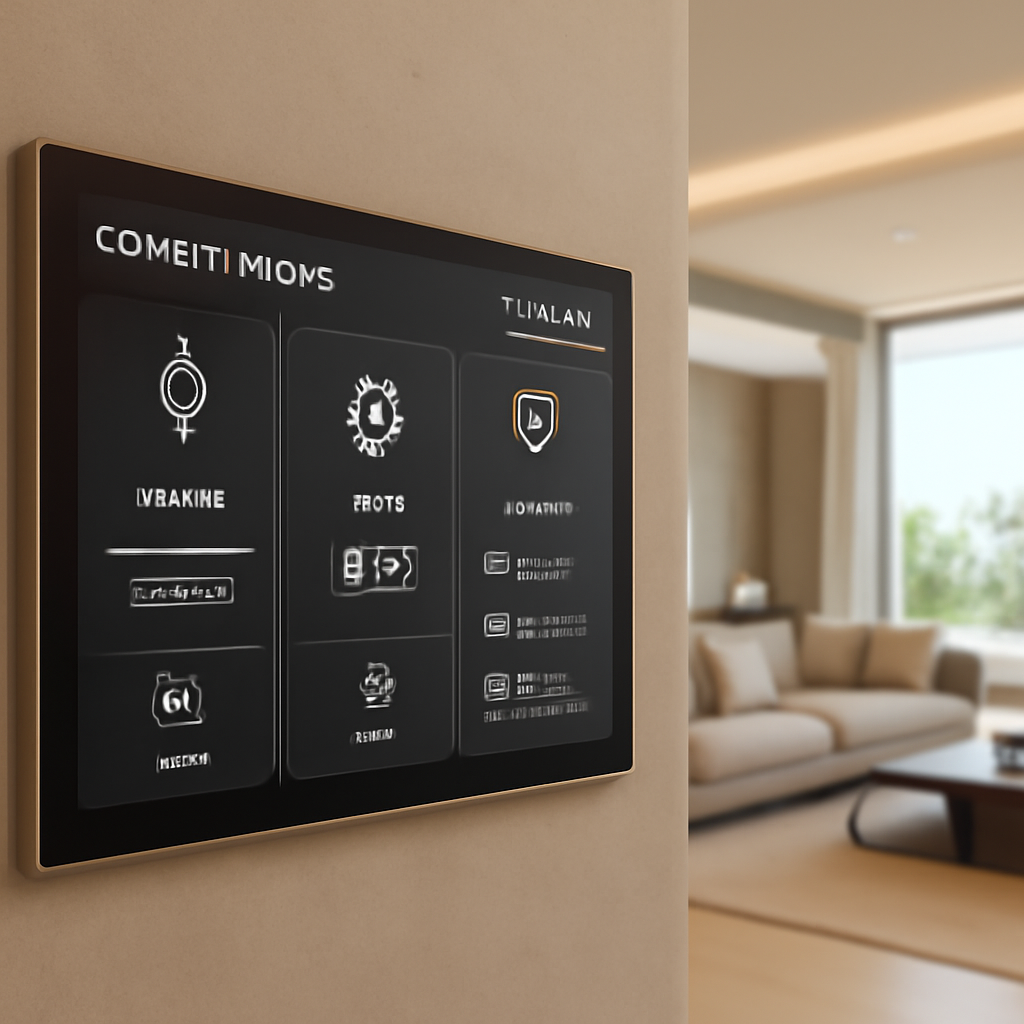
When you’re sizing up smart home options, the first thing that pops up in your mind is cost. But price isn’t the only game‑changer—features and long‑term savings can flip the scale in your favour.
Price Spectrum
Think of a smart home as a tiered cake. Entry‑level kits start around AED 4,000 to AED 8,000. They cover basic lighting control and a single thermostat. Mid‑range bundles sit between AED 9,000 and AED 15,000, adding motion‑sensing cameras and energy‑monitoring panels. Premium suites, often the most talked about, can climb to AED 18,000–25,000 and bring full HVAC integration, multiple zones, and a high‑resolution security network.
So, if your budget is tight but you want a taste of automation, the lower tier gives you a foothold without burning cash.
Feature Breakdown
Every tier packs a different set of bells and whistles. Entry kits focus on lights and a smart hub. Mid‑range options usually introduce voice control, basic scene presets, and a simple dashboard. Premium systems offer AI‑driven climate learning, advanced security analytics, and remote‑management dashboards that sync across devices.
Do you value a sleek app or a robust AI that learns your habits? That decision nudges you toward a higher tier.
Return on Investment
ROI isn’t just about cutting bills; it’s about the peace of mind that comes from knowing your home is in good hands. A mid‑range system can shave 15–20% off your cooling costs in a hot season—roughly AED 200–300 a month in Dubai’s climate. Over three years, that adds up to AED 7,200‑10,800, comfortably offsetting the initial outlay.
Premium suites often claim up to 30% energy savings because of their granular zoning and predictive HVAC control. While the upfront cost is higher, the payoff in a 5‑year window can surpass AED 15,000, especially when you factor in potential resale value boosts.
Does the math feel realistic to you, or does it look like a stretch?
| Feature | Option | Notes |
|---|---|---|
| Lighting Control | Entry‑level | Basic dimming, no voice integration |
| Security Cameras | Mid‑range | Motion detection, 1080p feed |
| HVAC Integration | Premium | Zone‑based learning, AI‑optimised schedules |
Remember, the cheapest option today might end up costing you more if you hit a snag or need an upgrade. A well‑selected system that aligns with your usage patterns keeps both your wallet and your sanity happy.
For a deeper dive into how these tiers stack up in real Dubai homes, check out UAEPedia’s detailed comparison guide.
FAQ
1. What is the typical smart home automation cost for a Dubai villa?
It usually starts around AED 5,000‑10,000 for lighting and a hub, climbs to AED 25,000‑35,000 for a full‑suite that covers HVAC, security, and energy monitoring. The jump reflects the number of zones, device quality, and certified installation work that keeps your system compliant with TDRA guidelines.
2. How do I estimate savings from a smart HVAC system in Dubai?
A well‑tuned thermostat can cut cooling bills by 15–20 %. If your monthly spend is AED 1,200, you could save AED 180‑240 each month. Over 24 months that’s a clear return, plus the added comfort of consistent indoor temperatures and fewer manual adjustments.
3. Do I need to buy everything at once, or can I phase the installation?
Phasing is the most practical route. Start with core lighting or a single smart lock, then add HVAC or security cameras once you see the benefits. This keeps upfront costs low and lets you spread the investment over several quarters while still enjoying immediate value.
4. Why is TDRA certification important when choosing devices?
TDRA approval guarantees the hardware meets Dubai’s electrical and safety codes. It protects you from costly retrofits, ensures warranty coverage, and gives peace of mind that the system won’t trip breakers or fail during extreme heat.
5. What maintenance does a smart home system require in Dubai’s climate?
Schedule quarterly checks on firmware, battery life, and wiring integrity. Replace HVAC filters every three months and clean camera lenses when dust builds up. A maintenance contract can keep your system running smoothly, avoiding surprise downtime when you need it most.
6. How does the cost differ between an apartment and a large villa?
Smaller apartments usually fall between AED 8,000 and AED 18,000, focusing on key rooms like the kitchen and living area. Villas, with multiple zones and outdoor spaces, often hit the higher end, especially if you include pool lighting, outdoor sensors, and a dedicated home server.
7. Can a smart home system help me increase my property’s resale value?
Absolutely. A TDRA‑approved, AI‑driven system shows prospective buyers that the home is modern, energy‑efficient, and future‑proof. Studies suggest smart tech can boost property value by 5–10 %, and owners are willing to pay a premium for turnkey automation.
8. What is the typical maintenance cost for a smart home system in Dubai?
Maintenance contracts average AED 1,200–2,000 per year, covering firmware updates, sensor battery replacement, and quarterly inspections. Many installers include a 12‑month warranty on parts and labor, making the annual cost a small fraction of the initial investment.
9. How long does it usually take to break even on a smart home investment in Dubai?
For a mid‑range system, payback is around 3–4 years, while a premium suite can take 5–7 years. The calculation considers monthly energy savings, reduced maintenance, and potential resale value uplift. Keeping a detailed log helps you track savings and confirm the projected ROI.
10. Which devices are essential for a luxury villa’s smart home?
Key components include a certified HVAC controller with zone‑based learning, a whole‑home energy meter, premium security cameras with night vision, smart lighting with dimming and scene presets, and a central hub that integrates voice assistants. Adding water‑usage monitors can further reduce utility bills and provide early leak detection.
Conclusion
We’ve walked through the numbers, the tech, and the little quirks that make a smart home feel like home.
First, remember that “smart home automation cost Dubai” is really about value, not a price tag. Every AED you spend on a certified hub, a whole‑home meter, or a security camera is an investment in comfort, safety, and future‑proofing.
Second, start small. A single lighting scene or an energy‑monitoring dash can show you real savings in a few months. When those savings hit the bill, the next step feels natural.
Third, keep the system alive. Quarterly firmware checks, battery swaps, and a quick audit keep the automation humming and the cost predictable.
Finally, think of the long game. A well‑maintained setup can lift resale value by 5‑10 %, and the peace of mind you gain is worth every cent.
If you’re juggling budgets or wondering about ROI, keep a simple log: note the initial cost, track monthly savings, and compare against a baseline. Over two or three years, the numbers usually start to tip in your favor today, now.
Curious how a tailored plan could look for your villa? Let’s chat—book a free site survey and let the numbers speak for themselves.