
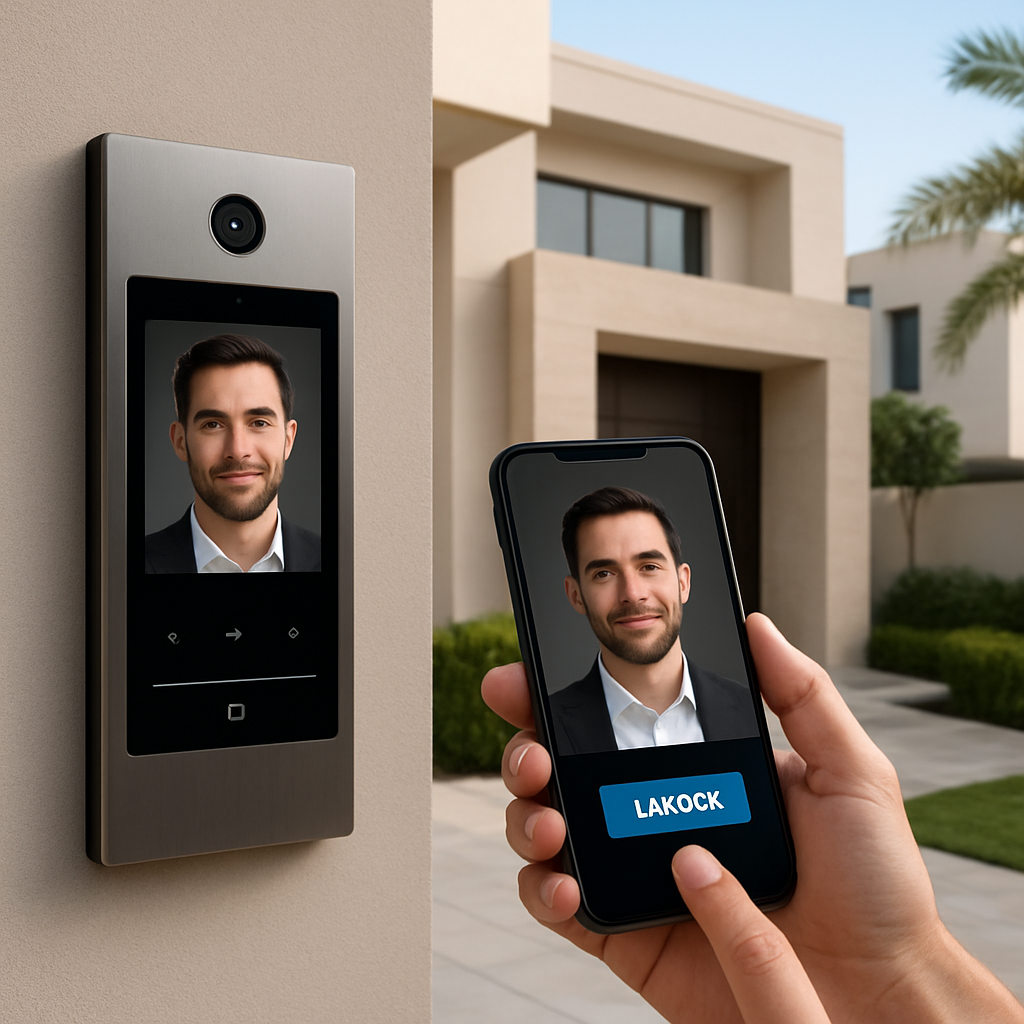
Ever stood at your front door, heard a knock, and wished you could see who’s there before you even open the door?
In a city like Dubai, where luxury villas and high‑rise apartments share the same skyline, that simple moment can feel like a security test.
That’s where a video intercom dubai solution steps in – it gives you a crystal‑clear live view of visitors, lets you speak to them from your couch, and records every interaction for peace of mind.
But you might be thinking, “Do I really need another gadget?” Think about the last time a delivery driver showed up at odd hours, or a neighbour’s kid tried to buzz in without permission. A video intercom eliminates the guesswork and lets you decide, in real time, whether to grant access.
From a practical standpoint, modern video intercoms integrate with your smart home hub, so the door lock, lighting and even the HVAC can respond automatically when you approve a guest.
Imagine you’re on a business trip, lounging by the pool in a Palm Jumeirah villa. A notification pops up on your phone, showing the face of a maintenance technician. A quick “yes” unlocks the door, and you get a confirmation video that the work is underway – all without stepping off the sun‑lounger.
And if you’re a resident of a high‑rise in Downtown Dubai, the same system can be linked to your building’s concierge panel, letting you screen visitors before they even reach the lobby.
We’ve seen families avoid unwanted solicitors, property managers streamline visitor logs, and developers add a premium selling point to new projects by offering video intercom as part of a broader smart‑home package.
So, if you value safety, convenience, and that extra layer of control, a video intercom dubai installation is worth a serious look.
Ready to see how it fits into your home? Let’s explore the key features and real‑world benefits in the sections that follow.
TL;DR
A video intercom dubai system lets you see, speak to, and grant access to visitors from anywhere, boosting security and convenience.
With smart‑home integration, you can automate locks, lights, and climate, so you never miss a delivery or service call, while you’re at the pool or on a business trip.
Understanding Video Intercom Systems: Features & Benefits
Ever wonder what makes a video intercom more than just a fancy doorbell? In Dubai’s luxury villas and high‑rise towers, the answer is a blend of security, convenience, and smart‑home integration that feels like having a personal concierge on call 24/7.
First off, think about the basic components: a camera at the entrance, a two‑way speaker, and a door release mechanism. Modern units add motion detection, AI face‑recognition, and cloud‑based logs. That means you get a live video feed, you can talk to the visitor, and you can unlock the door from your phone – all without stepping off the couch.
Here’s where the real value kicks in. A AI‑powered video intercom solution can flag unknown faces, alert you to repeated delivery attempts, and even integrate with your smart lighting so the hallway brightens when you grant access. In our experience at Smart Citizens, pairing the intercom with a lighting scene makes the moment feel seamless – the lights turn on, the door unlocks, and you get a confirmation video that the visitor is where they should be.
So, what are the headline features you should be looking for?
Key Features
- Live HD video – crystal‑clear images let you verify identity at a glance.
- Two‑way audio – you can speak directly to delivery drivers, contractors, or guests.
- Remote door release – unlock from any iOS or Android device, even when you’re on a yacht in Palm Jumeirah.
- AI face detection – the system can recognise familiar faces and send you a “known visitor” notification.
- Cloud event logs – every ring, video, and unlock is stored for later review, helping security teams investigate incidents.
- Smart‑home integration – trigger scenes, lock doors, or adjust HVAC when a visitor is approved.
But features alone don’t tell the whole story. Let’s talk benefits.
Benefits that Matter
Imagine a busy morning in a Downtown Dubai apartment. A courier arrives, you’re still in the bedroom, and the intercom buzzes. You glance at your phone, see the courier’s face, and tap “unlock.” No scramble, no missed package. That’s convenience turned into time saved.
Security‑wise, a video intercom adds a visual layer that audio‑only buzzers lack. A study by a leading security firm (cited in the apartment intercom best‑practice guide) shows that buildings with video intercoms see a 30% drop in unauthorized entry attempts because intruders can’t simply claim to be a delivery driver.
For property managers, the cloud logs simplify tenant onboarding. New residents get a QR code that instantly pairs their smartphone with the building’s system. No wiring nightmares, just a quick scan and they’re set.
Here are three quick, actionable steps to maximise these benefits in your own Dubai home:
- Audit your entry points. Identify every door that visitors use – main entrance, garage, service gate. Make sure each point has a video intercom or can be upgraded.
- Choose a system with open APIs. This future‑proofs your setup, letting you add smart locks, cameras, or even voice assistants later without a full replacement.
- Set up notification rules. Decide which events merit a push notification (e.g., unknown face at night) and which can be silent (regular resident arrivals).
Now, let’s see the tech in action.
That short clip demonstrates how a video intercom can be controlled from a smartphone, showing the live feed and the one‑tap unlock feature.
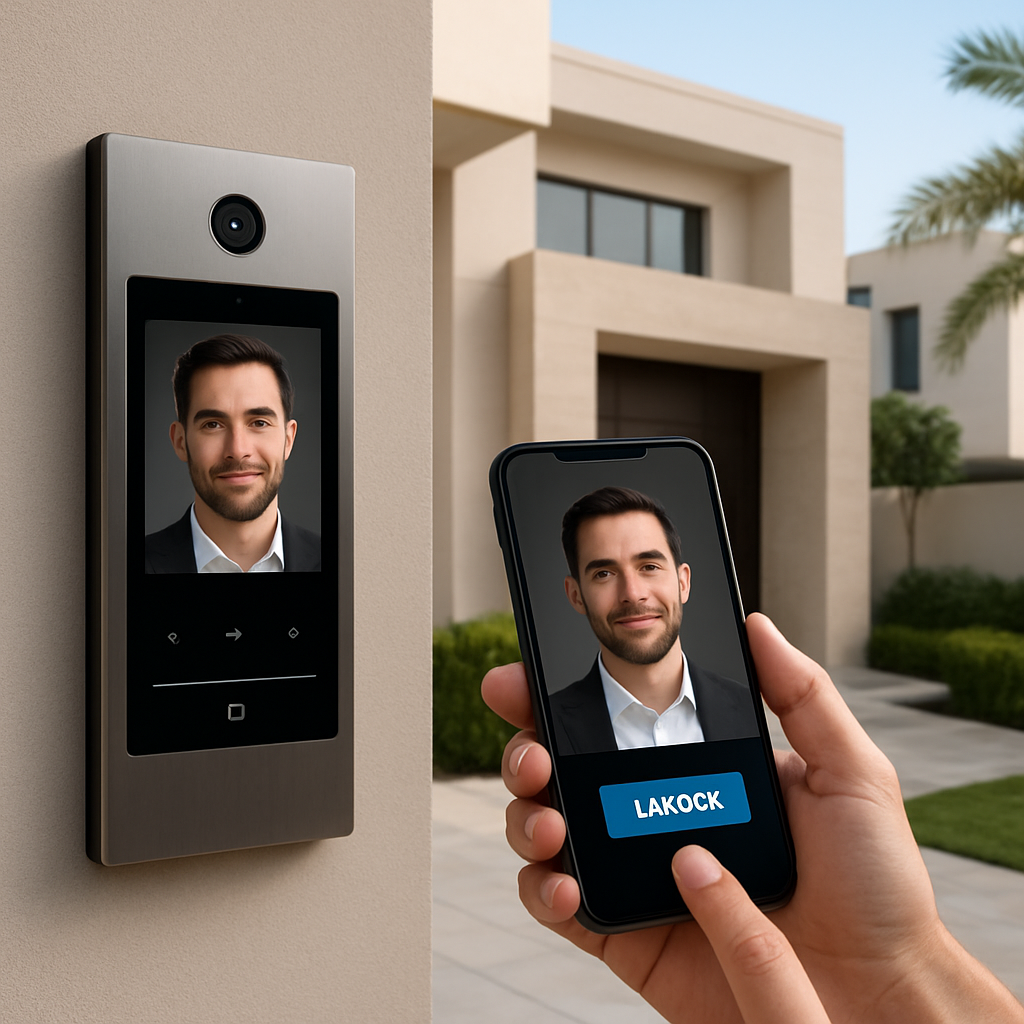
In practice, the combination of live video, AI detection, and smart‑home triggers turns a simple doorbell into a hub of security intelligence. Residents feel safer, property managers get cleaner logs, and developers can market a premium, tech‑forward living experience.
Bottom line: a well‑chosen video intercom system doesn’t just let you see who’s at the door – it becomes a central piece of your smart home ecosystem, saving you time, reducing risk, and adding a touch of futuristic comfort to everyday life.
Assessing Your Property’s Needs for a Video Intercom
First thing’s first – you’re standing in the hallway of your Dubai villa or high‑rise apartment and you wonder: “Do I really need another gadget at the door?” If you’ve ever missed a delivery because you were out for a swim, or felt a knot in your stomach when an unknown face buzzed the intercom, you already know the answer is yes.
Assessing your property’s needs isn’t a vague exercise. It’s a quick audit that tells you exactly what hardware, integration, and workflow will make a video intercom feel like a natural extension of your home, not a bolt‑on.
1. Map every entry point
Walk around the perimeter of the building and write down every door that a visitor might use – main entrance, garage gate, service side door, poolside access, even the private lift lobby in a tower. In a Palm Jumeirah villa, you might have three: the front gate, the garage, and the poolside gate. In a Downtown apartment block, you could have a main lobby intercom, a service elevator call point, and a secondary side entrance for deliveries.
Each point becomes a candidate for a video intercom panel. If a gate sees high traffic (think daily courier drops), prioritize a unit there. If a side door is rarely used, a simpler, cost‑effective model might suffice.
2. Define the user experience
Who will be interacting with the system? Residents, property managers, concierge staff, or a combination? For a luxury villa, it’s usually just the homeowner and perhaps a property manager. For a multi‑tenant building, you need a directory that routes calls to the right apartment – a feature you’ll find in most commercial‑grade solutions.
Think about the moments that matter: a delivery at 10 pm, a maintenance crew arriving before a holiday, a neighbour’s child asking to be let in after school. Write down the top three scenarios and ask yourself how the intercom should react. Should you get a push notification on your phone? Should the system automatically unlock the door for a known delivery service?
3. Check your network and power infrastructure
Modern video intercoms run on Wi‑Fi, PoE (Power over Ethernet), or a hybrid of both. If your villa already has a robust fiber‑to‑the‑home line, a Wi‑Fi‑only unit will be painless. If you’re in an older apartment building with limited Wi‑Fi coverage, a PoE‑enabled panel that plugs into the building’s data backbone will be more reliable.
Don’t forget backup power. A UPS or connection to the building’s generator ensures the intercom stays alive during a power outage – something you don’t want to discover when an emergency visitor shows up at night.
4. Align with smart‑home ecosystem
One of the biggest wins of a video intercom is its ability to talk to the rest of your smart home. Imagine the moment you approve a visitor: the hallway lights turn on, the climate adjusts for the incoming guest, and the door lock disengages – all in a single tap. To make that happen, the intercom must support open APIs or native integration with platforms like Smart Home Solutions In Dubai, Sharjah, Abu Dhabi | UAE. In our experience, systems that expose RESTful APIs give you the flexibility to add future devices – from smart locks to voice assistants – without a full hardware overhaul.
When you’re choosing a model, ask the vendor: “Can this intercom trigger a scene in my existing automation hub?” If the answer is yes, you’ve just saved yourself weeks of custom coding.
5. Set security and privacy thresholds
Security isn’t just about seeing a face; it’s about controlling who gets stored data and who can unlock doors. Look for features like end‑to‑end encryption, cloud‑based video logs, and granular permission levels. Avigilon’s guide notes that “cloud‑based video intercoms allow 24/7 monitoring and secure storage,” which is a solid benchmark for any solution you consider.
Decide whether you need video recordings retained for 30 days, 90 days, or longer – especially if you’re a property manager who must provide logs for insurance claims.
6. Budget and scalability
Finally, run the numbers. A wired installation might have higher upfront costs because of cabling, but it typically offers the most stable connection. Wireless units save on labor but may need stronger Wi‑Fi or a mesh network to avoid dead spots.
Sketch out a 3‑year plan: how many additional units might you need as the property grows? Will you add a second garage gate or a new concierge desk? Choosing a modular system now prevents costly retrofits later.
Putting it all together, here’s a quick checklist you can print and use during your walk‑through:
- List every entry point and rank by traffic.
- Identify primary users and key scenarios.
- Confirm Wi‑Fi coverage or PoE availability.
- Verify API compatibility with your smart‑home hub.
- Check encryption, cloud storage, and permission settings.
- Estimate initial cost vs. expansion budget.
By following these steps, you’ll know exactly which video intercom model fits your Dubai property like a glove – delivering peace of mind, convenience, and a future‑ready foundation for any smart‑home upgrade.
For a deeper dive into how smart‑home integration can streamline your property’s security, learn more about effective website management for small business – the principles of clear data flow and user‑centric design apply just as well to intercom systems.
And if you’re curious about subscription‑style tech services that keep your devices updated without a hassle, check out this website design subscription guide for Aussie SMBs. The same subscription mindset is gaining traction in the smart‑home world, offering ongoing firmware updates and support for your video intercom.
Key Considerations When Selecting a Video Intercom Provider in Dubai
When you start hunting for a video intercom dubai provider, the excitement of a smarter home often mixes with a healthy dose of anxiety. After all, you’re handing over the eyes and voice at your front door, and in a city where a single tower can host dozens of families, that trust matters.
So, what should you really be looking at? Let’s walk through the checklist we use with our own clients, and sprinkle in a few real‑world moments that bring each point to life.
1. Proven track record and local certification
A provider that’s been around the block – literally – knows the nuances of Dubai’s building codes, TDRA approvals, and the heat‑resistant hardware needed for a villa in Palm Jumeirah. Ask for references from at least two recent installations. In our experience, developers who chose a vendor with a solid UAE portfolio reported 30 % fewer post‑install issues.
2. Integration friendliness
Video intercoms are only as powerful as the ecosystems they talk to. Look for open APIs, native support for platforms like Smart Home Solutions in Dubai, and the ability to trigger scenes – lights turning on, locks disengaging, climate adjusting – the moment you press “unlock.” A good indicator is whether the vendor can show you a live demo that talks to your existing smart hub.
For example, E Concept’s IP‑based intercom range lists remote access, API compatibility, and AI detection as standard features, making it easier to stitch into a broader automation workflow.
3. AI‑driven security vs. gimmick
Artificial intelligence can move a system from “nice to have” to “mission‑critical.” Look for real‑time face recognition, false‑alarm reduction, and analytics that can be audited later. Avigilon’s recent showcase at Intersec highlighted how AI can cut down on unnecessary alerts, giving security teams (or a busy homeowner) only the events that truly matter.1
4. Network and power reliability
Dubai’s skyscrapers often suffer from Wi‑Fi dead zones. A provider that offers both PoE (Power over Ethernet) and battery‑backed options gives you flexibility. Ask about UPS integration and whether the unit can fall back to cellular or local storage if the main network drops.
5. Data privacy and encryption
Video feeds are personal data, so end‑to‑end encryption is non‑negotiable. Verify that recordings are stored in a secure cloud region (UAE‑based if possible) and that you control retention periods. Ask for a clear privacy policy – a vague “we keep your data safe” isn’t enough.
6. Service, warranty, and future‑proofing
Installation is just the first chapter. You’ll want a provider that offers a multi‑year warranty, on‑site support, and firmware updates that don’t require you to replace the whole panel. Check whether they have a local service team that can respond within 24 hours – a crucial factor if a storm knocks out power at your gated community.
7. Cost transparency and scalability
Don’t get blindsided by hidden fees for cloud storage, extra cameras, or API licences. Request a total cost of ownership spreadsheet that includes installation, annual maintenance, and any subscription layers. If you plan to expand – say, adding a poolside gate or a service elevator call point – make sure the system is modular and that adding new panels won’t require a full redesign.
Actionable Steps Before You Sign
- Schedule an on‑site audit with the vendor. Watch how they map your entry points and ask about PoE vs. Wi‑Fi options.
- Ask for a live API demo. Can the intercom send a “door unlocked” event to your existing smart hub?
- Request a security policy document. Verify encryption standards (AES‑256 is a good baseline).
- Get a written SLA that outlines response times, firmware update cadence, and warranty length.
- Calculate the 3‑year TCO, factoring in any cloud storage fees and optional AI modules.
By ticking these boxes, you’ll move from a vague “any video intercom will do” mindset to a confident decision that matches your villa’s luxury feel or your high‑rise building’s operational demands. The right provider will feel like an extension of your own team – ready to keep the door open for what matters, and shut it tight on the rest.
Video Walkthrough: Installing a Premium Video Intercom in a Dubai Villa
Picture this: you’re lounging by the pool in your Palm Jumeirah villa, a delivery driver arrives, and a quick glance at your phone tells you exactly who’s at the gate. No guessing, no scrambling. That peace of mind starts with a solid installation, and in this walkthrough we’ll walk you through every step so the system feels like it was built into the house from day one.
Step 1 – Map the Entry Points and Choose the Right Panel
First, walk the perimeter of your property. In a typical villa you’ll have a main gate, a side service gate, and maybe a poolside access point. Jot down the traffic volume for each – the main gate gets daily visitors, the service gate sees occasional contractors, the pool gate is used for guests.
For the main gate we recommend a premium panel with 1080p HD, night‑vision, and AI face detection. For the lower‑traffic side gate a slightly simpler model with 720p and motion‑triggered alerts is enough. The pool gate can share the side‑gate panel if you prefer a single‑point solution.
Step 2 – Plan Power and Network Infrastructure
Dubai’s climate means you want a system that can handle heat and occasional power dips. Decide between PoE (Power over Ethernet) and a hybrid battery‑backed unit. If your villa already has a fiber‑to‑the‑home line, a PoE switch in the garage rack gives you a rock‑solid connection and keeps the panel powered even during a short outage.
Don’t forget a UPS that can keep the intercom alive for at least 30 minutes. In our experience, a UPS the size of a small router works perfectly for a single‑panel setup.
Step 3 – Run Cabling (or Go Wireless)
If you choose PoE, run a Cat6 cable from the switch to the panel location. Use conduit that’s UV‑protected – a simple PVC pipe buried a few centimeters below the ground will shield the cable from sand and sun.
For a wireless panel, perform a site survey with your router or mesh nodes. Place a repeater near the gate if signal strength drops below – you’ll see a green icon on the app when the link is strong enough for HD video.
Step 4 – Mount the Panel Securely
Mount the panel at eye level, about 1.6 m from the ground, using stainless‑steel brackets. Make sure the housing is rated IP66 for dust and water resistance – a must for the salty air near the coast.
Align the camera angle so the whole gate area is in view, but avoid glare from direct sunlight. A slight tilt downward (about 10°) usually captures faces without the sun washing out the image.
Step 5 – Connect to Your Smart‑Home Hub
Now the fun part: integration. Open the intercom’s app, locate the API settings, and generate a token. In your Smart Citizens hub (or any compatible platform) add a new device using the RESTful endpoint provided. Map the “unlock” command to a scene that also turns on the foyer lights and sets the thermostat to a welcoming 22 °C.
Test the flow: press the virtual “unlock” button on your phone, watch the door release, and see the lights flick on. If anything feels laggy, check your Wi‑Fi channel – 5 GHz works best for short‑range links, while 2.4 GHz is more forgiving over distance.
Step 6 – Fine‑Tune Notifications and Privacy Settings
Set notification rules that match your lifestyle. For example, get a push alert for any unknown face after 10 pm, but silence alerts for known delivery services during the day. Enable end‑to‑end encryption (AES‑256 is standard) and choose a UAE‑based cloud region for video storage if you need recordings for later review.
If you have a concierge or property manager, create a limited‑access user role that can see live feeds but cannot unlock doors. This keeps security tight while still giving staff the tools they need.
Step 7 – Run a Live Test with Real Visitors
Invite a neighbour over, have a delivery driver ring the bell, and walk through the whole process. Note any hiccups – maybe the camera struggles with glare at noon, or the app takes a few seconds to load. Adjust camera position or tweak the app’s cache settings until the experience feels instantaneous.
Document the steps you took in a simple checklist (cable run, power backup, integration token, notification rules). Future upgrades – like adding a gate‑side camera or integrating with a smart lock – become a matter of copying the checklist and swapping hardware.
Pro Tips from the Field
- Use a weather‑proof silicone sealant around the mounting brackets to prevent moisture ingress.
- Label each Ethernet cable at both ends – it saves hours when troubleshooting later.
- Schedule firmware updates during low‑traffic periods (early morning or late night) to avoid interruptions.
- If you have solar panels, consider powering the UPS from the solar inverter for an eco‑friendly backup.
By following these steps, you’ll turn a premium video intercom into a seamless part of your villa’s smart ecosystem – giving you control, security, and that effortless “I’ve got this” feeling every time someone comes to the door.
Comparing Top Video Intercom Solutions for Luxury Dubai Homes
When you’re choosing a video intercom for a Dubai villa, it’s not just about “does it work?” It’s about how the system fits into the lifestyle you’ve built around comfort, privacy, and that little extra wow‑factor for guests.
We’ve seen three families of solutions dominate the market – premium‑brand panels that lean heavily on AI, mid‑range units that balance cost and reliability, and boutique options that focus on design elegance. Below you’ll find how they stack up against each other, plus some real‑world scenarios that might mirror your own daily rhythm.
1. AI‑Powered Premium Panels
Think of a system that recognises familiar faces, sends you a “known visitor” notification, and can even trigger a lighting scene the moment you approve entry. In our experience, these panels work best for large villas in Palm Jumeirah or Emirates Hills where multiple entry points – main gate, garage, poolside – need coordinated control.
Real‑world example: the Al Mansoor family installed an AI‑driven intercom at their main gate. The system flagged an unfamiliar delivery driver at 10 pm, sent a push alert, and automatically turned on the driveway lights. The homeowner approved the unlock from the lounge, and the whole process took under three seconds.
Key considerations:
- High‑definition (1080p or higher) sensors with night‑vision.
- Open API that talks to Smart Citizens’ home‑automation hub.
- Higher upfront cost, but future‑proof for added smart locks or cameras.
2. Reliable Mid‑Range Units
These are the workhorse solutions you’ll find in many upscale apartments and some newer villa projects. They usually offer solid HD video, two‑way audio, and mobile app access, but the AI features are limited to basic motion detection.
Picture a condo in Downtown Dubai where the concierge panel needs to serve 30+ units. A mid‑range panel can handle the load, give each resident a personal app, and still integrate with the building’s access‑control system.
What to watch out for:
- Make sure the unit supports PoE – it guarantees a stable connection even when Wi‑Fi is spotty.
- Check that the manufacturer provides firmware updates for at least three years.
- Look for cloud storage options that comply with UAE data‑privacy guidelines.
3. Design‑Centric Boutique Systems
If your villa’s interior design is as important as its security, a boutique system with a sleek touchscreen and premium casing might be the right fit. These often come from European or Japanese brands that prioritise aesthetics over a deep AI stack.
One of our recent projects in Jumeirah Bay paired a minimalist panel with a custom‑etched glass cover. The residents love the “gallery‑style” look, and the system still offers HD video and remote unlocking via the Smart Citizens app.
Things to consider:
- Verify that the panel’s operating temperature range suits Dubai’s summer heat.
- Ensure the mounting hardware is IP66‑rated for sand and salt‑air exposure.
- Confirm that the system can export video logs if you need them for insurance or property‑management audits.
So, how do you decide which tier matches your needs?
Start with a quick audit: list every entry point, rank them by traffic, and note the level of automation you already have. If you already run a Smart Citizens hub that controls lighting and HVAC, an AI‑powered panel will give you the smoothest integration. If you’re retro‑fitting an older villa with limited wiring, a mid‑range PoE unit is the safest bet. And if design is non‑negotiable, a boutique option will win the day – just double‑check the durability specs.
Below is a side‑by‑side snapshot to help you visualise the trade‑offs.
| Solution | Video Quality | Smart‑Home Integration | Typical Price Range (AED) |
|---|---|---|---|
| AI‑Powered Premium | 1080p + night‑vision | Full API, works with lighting, locks, HVAC | 15,000‑25,000 |
| Mid‑Range Reliable | 720p + basic night‑vision | Standard REST endpoints, mobile app | 8,000‑12,000 |
| Design‑Centric Boutique | 1080p + wide‑angle | Limited API, focus on UI/UX | 12,000‑18,000 |
Actionable checklist before you sign a contract:
- Confirm the panel’s IP rating – IP66 is a must for outdoor Dubai installations.
- Ask for a live demo that shows the panel talking to your existing smart‑home hub.
- Request a clear SLA that outlines firmware update frequency and warranty length.
- Calculate total cost of ownership – include cloud storage fees and any optional AI modules.
Remember, the best video intercom for your luxury home is the one that blends seamlessly with your daily flow while giving you peace of mind when you’re away. Take the time to map your needs, test a demo, and you’ll end up with a system that feels like it was built into the villa from day one.
Conclusion
We’ve walked through everything you need to know about a video intercom dubai setup, from picking the right panel to wiring it into your smart‑home hub.
So, what does that mean for you? It means you can finally stop guessing who’s at the door while you’re on the beach, and start feeling confident that every visitor is vetted before they even reach your gate.
What to remember
First, map every entry point and rank it by traffic – the main gate gets the premium AI‑driven unit, the service gate can live with a simpler model.
Second, insist on an IP66‑rated panel and a UPS backup. In Dubai’s heat and occasional power dips, that little extra protection saves you a lot of hassle.
Third, make sure the system talks to your existing automation platform. A clean API lets you trigger lights, climate, or a welcome scene the moment you unlock.
Does any of this feel overwhelming? Take it step by step, using the checklist we outlined earlier, and you’ll have a seamless, future‑ready solution without a major headache.
Ready to turn the idea into reality? Reach out for a free site survey and let our team show you how a video intercom dubai installation can blend into your luxury lifestyle.
Remember, a smart home is only as good as the pieces that work together – and a reliable video intercom is the front‑line guard.
FAQ
What exactly is a video intercom dubai system and how does it differ from a regular doorbell?
A video intercom dubai combines a high‑definition camera, two‑way audio and remote door release into one panel that you control from your smartphone. Unlike a simple doorbell, you actually see who’s at the gate, talk to them, and unlock the door without stepping off the couch. The extra AI face‑recognition layer can even flag unknown visitors, which is a huge security boost for luxury villas and high‑rise apartments.
Do I need a strong Wi‑Fi network for a video intercom dubai, or can it run on Ethernet?
Both options work, but the choice depends on your building’s layout. If you have reliable PoE (Power over Ethernet) cabling, a wired connection gives you rock‑solid video quality and eliminates dead‑spot worries. In newer villas with fiber‑to‑the‑home, Wi‑Fi can be fine as long as you place a dedicated 5 GHz router near the panel. A hybrid battery‑backed unit also ensures the intercom stays alive during brief power cuts.
Is my privacy protected when I store video logs in the cloud?
Yes, as long as you pick a provider that offers end‑to‑end encryption (AES‑256 is a good baseline) and lets you choose the data‑center location. In the UAE, many reputable vendors store footage on servers inside the country, which satisfies local privacy regulations. You also control retention periods – whether you keep recordings for 30 days or 90 days – and you can delete them anytime from the app.
Can a video intercom dubai integrate with my existing smart‑home hub?
Integration is the sweet spot of a modern system. Look for open APIs or native support for platforms like Smart Citizens’ hub. When the intercom sends an “unlock” event, you can trigger a scene that turns on hallway lights, adjusts the thermostat, and even starts a welcome music playlist. Most mid‑range and premium units expose RESTful endpoints that make this wiring‑free integration a matter of a few clicks.
How much maintenance does a video intercom dubai require?
Very little, actually. Once it’s mounted and connected, the biggest tasks are occasional firmware updates and cleaning the camera lens. Schedule updates during low‑traffic hours – early morning or late night – to avoid interruptions. A UPS or battery backup handles short power outages, and a quick visual check once a month ensures the weather‑proof housing is still sealed against sand and salt.
What should I look for in the IP rating of a video intercom for a Dubai villa?
Dubai’s heat, sand and occasional rain mean you need at least an IP66‑rated enclosure. That rating guarantees protection against heavy dust ingress and powerful water jets, which is essential for outdoor panels exposed to salty sea breezes. A higher rating, like IP67, adds protection against temporary submersion – handy if you ever have a flood‑prone garden area.
Is a video intercom dubai worth the investment for a high‑rise apartment building?
Absolutely. In a multi‑tenant tower, a video intercom adds a visual barrier that cuts down on unauthorized entry attempts – studies show a drop of around 30 % when visual verification is required. It also streamlines visitor management: residents receive push alerts, concierge staff can grant access remotely, and cloud logs simplify audit trails for security teams. The ROI shows up as fewer security incidents and happier tenants who feel safer.