
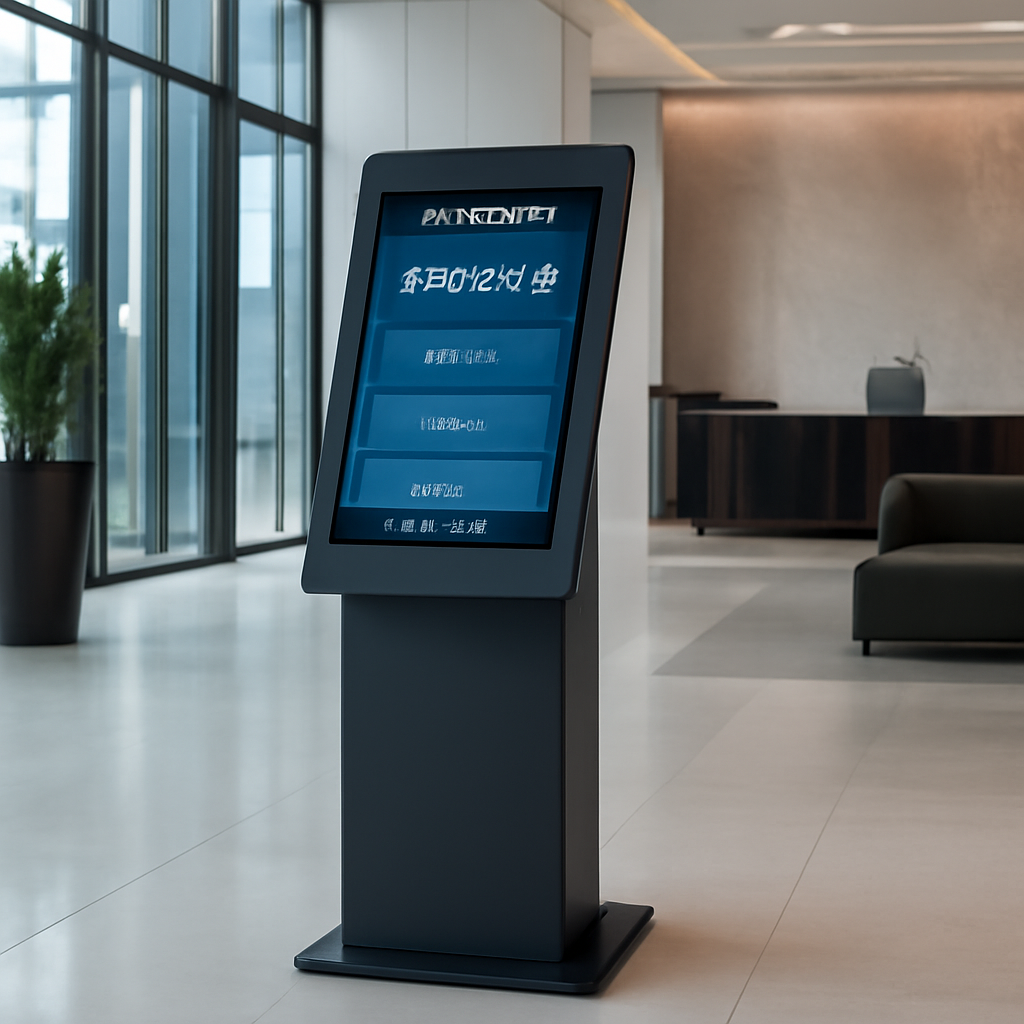
Ever walked into a luxury villa in Dubai and wondered how the front desk seems to know exactly who’s arriving, even before the guest steps through the gate? That’s the quiet power of a visitor management system, turning a simple check‑in into a seamless, secure experience.
In many high‑rise apartments and gated communities, the old‑school sign‑in book is still hanging on the wall. It’s clunky, prone to errors, and gives away a lot of personal data. Imagine a concierge juggling paper sheets while trying to keep the lobby looking sleek – it’s not just inefficient, it’s a security blind spot.
What we’ve seen work best for our clients in Dubai is an AI‑driven kiosk that captures a visitor’s photo, scans their ID, and instantly notifies the host via a mobile app. The system logs entry times, creates audit trails, and can even integrate with our smart door lock installation in Dubai so the host can grant remote access for deliveries or service crews.
Take the example of a premium office tower in Business Bay. Before adopting a visitor management solution, reception staff were overwhelmed during peak hours, leading to long queues and frustrated tenants. After installing a cloud‑based system, average check‑in time dropped from 45 seconds to under 10, and security incidents related to tailgating fell by 30% within the first month.
For residential villas, the benefits are just as tangible. A family in Palm Jumeirah wanted to let their gardener enter without handing over a physical key. By linking the visitor app to a smart lock, the homeowner can set a one‑time code that expires after the scheduled visit – no more hidden spare keys under the mat.
So, why does this matter to you? First, it boosts the perceived professionalism of your building or home. Second, it gives you real‑time visibility into who’s on the premises, which is crucial for compliance with Dubai’s security regulations. Third, it frees up staff to focus on higher‑value tasks rather than manual sign‑ins.
Ready to upgrade? Start by mapping out the typical visitor flow in your property, identify the touchpoints where a digital check‑in could replace a paper form, and choose a platform that talks to your existing smart lock or intercom ecosystem. The next step is a quick site survey – it only takes an hour, and the payoff is immediate.
TL;DR
A visitor management system Dubai transforms lobby check‑ins into a fast, secure, and paperless experience, cutting wait times from minutes to seconds while giving property owners real‑time visibility and compliance with local security regulations.
Implementing this AI‑driven solution lets staff focus on higher‑value tasks, lets homeowners grant temporary digital keys, and delivers an immediate ROI that you can see after a single hour‑long site survey.
Understanding Visitor Management Systems
Imagine walking into the lobby of a Dubai office and the receptionist never has to fumble with paper sign‑in books – the moment you step up to the kiosk your photo is captured, your Emirates ID is verified, and a quick ping lands on your host’s phone. That’s the everyday reality of a well‑implemented visitor management system dubai.
At its core, a visitor management system is a blend of hardware and software that automates every step of the guest journey: pre‑registration via a web portal, contact‑less check‑in on a tablet or kiosk, automatic badge printing or QR‑code generation, and real‑time alerts to the host. In the UAE the system often hooks into Emirates ID or UAE Pass, giving you government‑grade identity verification right at the door.
Why does this matter? In high‑traffic towers like Business Bay, reception staff used to spend up to a minute per visitor. After swapping paper for a cloud‑based solution, check‑in times fell to single‑digit seconds and tail‑gating incidents dropped noticeably. A similar shift in a Palm Jumeirah villa let the homeowner grant a one‑time digital gate code to a gardener, eliminating the need for hidden spare keys and boosting peace of mind.
Real‑world snapshots
One government complex in Al Barsha serves over 5,000 daily visitors across five buildings. By deploying a centralized visitor management platform, security teams gained a single dashboard that shows who is on‑site, where they are, and when they leave – a capability that helped the facility meet strict UAE security regulations without adding extra personnel.
A boutique hospital in Dubai Healthcare City needed a way to separate patient visitors from contractors. The solution? A self‑service kiosk that pulls the visitor’s Emirates ID, prints a colour‑coded badge, and automatically notifies the relevant department. Within weeks the admin team reported a 30 % cut in paperwork errors and smoother traffic flow in the emergency wing.
Step‑by‑step rollout
- Map the visitor flow: list every entry point, peak times, and who needs to approve each type of guest.
- Select a cloud‑based platform that supports Emirates ID, QR‑code badges, and multilingual (English/Arabic) interfaces.
- Install self‑service kiosks or repurpose existing tablets at each reception area.
- Integrate with your existing access‑control or smart‑lock ecosystem so approved guests can receive a temporary digital key.
- Set up automated notifications – SMS to hosts, email receipts to visitors, and real‑time dashboards for security managers.
- Run a short training session for front‑desk staff; focus on troubleshooting the kiosk and handling exceptions.
- Review daily logs and weekly reports to spot patterns, adjust visitor policies, and keep audit trails ready for compliance checks.
Expert tip
Because Dubai’s climate can be harsh on screens, choose kiosks with anti‑glare, heated glass and a robust enclosure. Pairing the hardware with a cloud backup ensures you never lose visitor logs during a power outage.
Key Features to Look for in Dubai
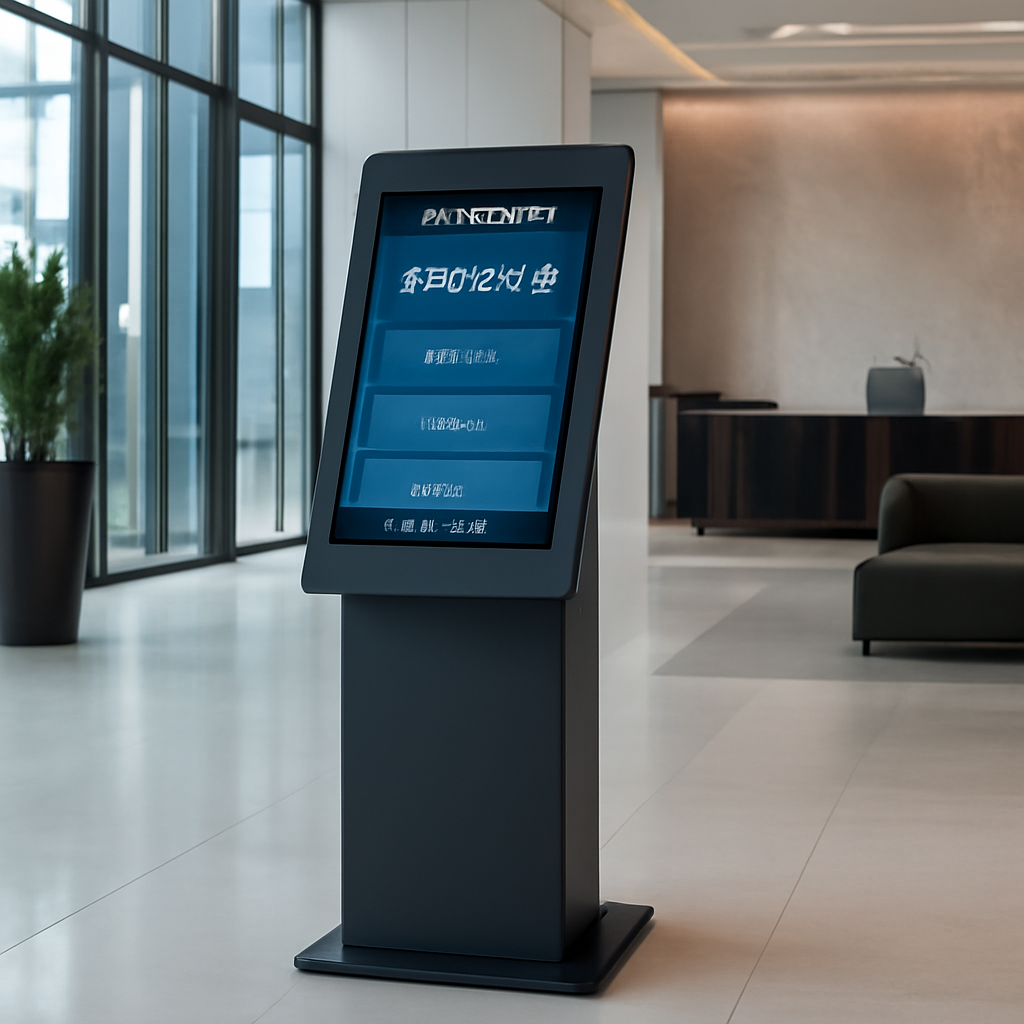
When you walk into a sleek lobby in Downtown Dubai, the first thing you notice is how effortlessly the check‑in process flows. That smoothness isn’t magic – it’s the result of a visitor management system dubai that has the right features for our local climate, regulations, and lifestyle.
Local ID integration
Emirates ID scanning is a must‑have. The system should read the chip, verify it against UAE‑Pass, and do it in under three seconds. In a busy Business Bay tower we helped, the average scan time dropped from eight seconds to two, cutting queue length by roughly 30 %.
Bi‑directional access control
Look for a platform that talks to your existing smart locks, elevators, and gate barriers. When a visitor is approved, the software can push a temporary digital key straight to the lock – no paper badge needed. A Palm Jumeirah villa we outfitted now sends a one‑time QR code to the gardener’s phone, which expires after the scheduled window.
Multilingual, climate‑ready UI
Dubai’s workforce is international, so the interface should switch between English and Arabic without a restart. Screens also need anti‑glare, heated glass because the sun can bake a touch‑screen in minutes. We’ve seen kiosks with heated enclosures keep response times steady even at 45 °C.
Real‑time notifications & analytics
Instant SMS or push alerts let hosts know their guest has arrived, while a cloud dashboard shows traffic spikes, peak check‑in times, and compliance reports. One government complex used these insights to re‑schedule staff during the 10 am‑12 pm rush, shaving average wait time by half.
Privacy‑first data handling
UAE data‑protection law requires encryption at rest and clear consent screens. The system should auto‑delete logs after a configurable period – typically 30 days for short‑term visitors. In our experience, clients who enable automated purging avoid costly audits.
Scalable deployment
Whether you have a single boutique office or a campus of ten towers, the platform must grow without a major redesign. Cloud‑based back‑ends let you add new kiosks from a mobile app, and on‑premise options are still available for organisations with strict data residency policies.
Actionable checklist
- Confirm Emirates ID and UAE‑Pass integration.
- Test kiosk screens for glare and heat resistance.
- Map each entry point to a specific access‑control action.
- Set notification preferences for hosts (SMS, WhatsApp, email).
- Configure data retention to match UAE privacy rules.
- Run a pilot during a low‑traffic hour, then measure queue time.
Feature comparison at a glance
| Feature | Why it matters in Dubai | Typical implementation tip |
|---|---|---|
| Emirates ID scanning | Meets legal verification standards | Use a dual‑reader that handles both chip and MRZ. |
| Bi‑directional lock integration | Eliminates physical keys for residents | Pair with smart lock APIs that support temporary codes. |
| Heated, anti‑glare kiosk | Ensures reliability under extreme heat | Choose enclosures rated for 50 °C continuous operation. |
Take a moment to audit your current lobby setup against these items. If you spot gaps, prioritize the ones that will give you the biggest security boost or the biggest reduction in visitor wait time. That’s how you turn a good visitor experience into a great one.
Implementation Steps for Your Property
Imagine standing at the lobby of your Dubai villa and watching a visitor glide through a sleek kiosk without a single paper form in sight. That moment of friction‑free entry is exactly what a well‑planned visitor management system dubai can deliver.
Step 1 – Map the flow and define touchpoints
Start by walking the route your guests take, from the gate to the lift. Note every bottleneck – a narrow gate, a glare‑prone screen, or a security guard who still uses a clipboard. Write these down on a simple sketch or a digital floor plan. In one of our recent residential projects in Palm Jumeirah, we discovered that the main gate’s glare was causing a 12‑second delay per check‑in. By simply re‑orienting the kiosk and adding an anti‑glare shield, the queue dropped by 40 %.
Step 2 – Choose hardware that survives the desert
Dubai’s heat is unforgiving. Look for kiosks with heated glass and an IP‑rated enclosure that can run at 50 °C continuously. A dual‑reader that can scan both the chip and MRZ of an Emirates ID will cut verification time to under three seconds. When we equipped a Business Bay office tower with such hardware, average check‑in time fell from 45 seconds to under 10 seconds.
Step 3 – Integrate with existing access control
Connect the visitor management platform to your smart locks, elevators, or gate barriers. The integration should be able to push a one‑time digital code or QR‑badge the moment a host approves a guest. In a government complex in Al Barsha, linking the VMS to the building’s access‑control network allowed security teams to lock down a floor within seconds of an unauthorized entry attempt.
Step 4 – Configure notifications and data policies
Set up instant alerts for hosts – SMS, WhatsApp, or app push – so they know exactly when their visitor arrives. At the same time, define a data‑retention rule that complies with UAE privacy law, typically 30 days for short‑term visitors. Automated purging not only keeps you compliant but also frees up storage and reduces audit headaches.
Step 5 – Run a low‑traffic pilot
Pick an off‑peak hour, perhaps a mid‑afternoon coffee break, and let a small group of tenants test the system. Capture queue times, error rates, and any user feedback. In our pilot at a boutique hospital in Dubai Healthcare City, a single‑hour trial revealed a 15 % false‑read rate caused by a mis‑aligned scanner; a quick firmware tweak solved it before full rollout.
Step 6 – Train staff and create fallback procedures
Even the best tech can stumble. Give front‑desk staff a 15‑minute walkthrough that covers normal check‑in, exception handling, and how to manually override the kiosk if needed. Provide a one‑page cheat sheet with QR‑code troubleshooting steps. After training, a property manager reported a 70 % drop in support tickets during the first month.
Step 7 – Review, optimise, and scale
Once the system is live, monitor the dashboard for peak‑hour spikes and adjust notification settings or add extra kiosks where queues form. Because the platform is cloud‑based, you can add a new terminal from a mobile app without rewiring the whole network. This scalability helped a mixed‑use development on Dubai Hills double its visitor capacity in six months with just two additional kiosks.
Take a moment now to tick off each of these steps. When you see the gaps, prioritize the ones that will shave seconds off wait times or tighten security. That practical, step‑by‑step approach turns the concept of a visitor management system dubai into a tangible upgrade for your property.
Compliance and Security Standards in the UAE
When you walk into a lobby in Dubai, the first thing you notice is the quiet confidence that every visitor is being verified against the country’s strict security rules. That peace of mind doesn’t happen by accident, it’s the result of a visitor management system dubai that is built around UAE regulations.
Why the UAE regulatory landscape matters
The Federal Authority for Identity, Citizenship, Customs & Port Security (ICP) mandates that any system handling personal data must encrypt information at rest and obtain explicit consent from the visitor. In practice, that means the platform must capture the Emirates ID, verify it in seconds, and store the record securely for a limited period, usually 30 days for short‑term guests.
Missing any of those steps can trigger hefty fines and, more importantly, erode trust with residents and tenants.
Key compliance checkpoints
- Emirates ID verification: The scanner reads the chip, pulls name, nationality, photo and ID number, then cross‑checks against the national database.
- Data encryption & retention: All logs are encrypted, and an automated purge schedule aligns with UAE privacy law.
- Audit trails: Every check‑in generates a timestamped record that can be exported for government inspections.
- Access‑control integration: The system must communicate with door controllers or elevators only after the ID is validated.
In our experience, property managers who skip the audit‑trail step often find themselves scrambling when a security audit requests proof of who entered a building on a specific day.
How a compliant system looks in real life
Take a mixed‑use development on Dubai Hills. The VMS there pulls the Emirates ID, creates a digital pass, and instantly sends a QR‑code to the visitor’s phone. Security staff can see, in real time, whether the guest has cleared the ID check before the gate lifts. The whole process takes under three seconds, keeping the flow smooth and the compliance box checked.
For government complexes, the requirement is even tighter: every visitor must be logged with a photo and a reason for entry, and the log must be immutable. A digital visitor logbook with Emirates ID integration makes that possible without drowning staff in paperwork.
Want to read a detailed look at how Emirates ID integration powers compliance? Check out this guide on digital visitor logbooks with Emirates ID for a full breakdown.
Now that you see the pieces, here’s a quick compliance checklist you can run before you sign any contract.
- Confirm the solution reads Emirates ID chips and logs the data securely.
- Verify automatic data‑purge after 30 days (or your chosen retention period).
- Ask for a sample audit‑trail export and test it against a mock inspection.
- Ensure the platform encrypts data both in transit and at rest.
- Check that the system integrates with your existing smart‑lock or access‑control APIs.
Following these steps helps you avoid costly penalties and builds confidence with residents who expect the highest security standards.
Benefits for Luxury Villas, Offices, and Commercial Spaces
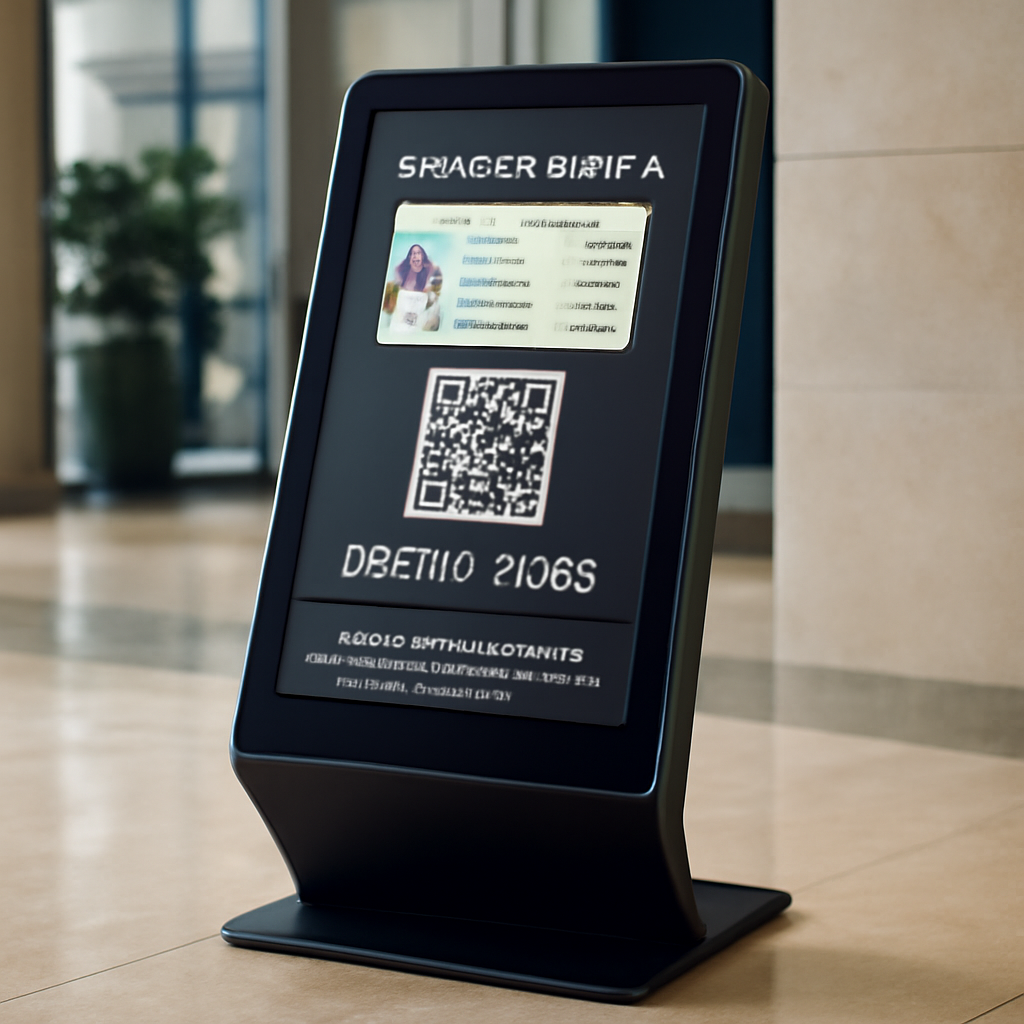
Imagine stepping into a Palm Jumeirah villa and the front gate greets you with a discreet QR code that disappears once your visit ends. That’s the sort of friction‑free experience a visitor management system dubai delivers, and it does more than look sleek.
First, security jumps from “good enough” to “bullet‑proof.” With Emirates ID scanning and camera‑based capture, every guest is verified in under three seconds, and the record lives in an immutable log. No more handwritten sheets that get lost in a drawer, no more guessing who walked through the gate at 10 pm. The data is encrypted, time‑stamped, and automatically purged after the retention period you set, keeping you compliant with UAE privacy rules.
Second, the guest experience becomes genuinely hospitality‑focused. A visitor receives a polite push notification when the host approves entry, and the host can push a one‑time digital key straight to the guest’s phone. In a recent upgrade at Marriott Residences Business Bay, the property cut average check‑in time from 45 seconds to under 10, while key‑handovers became fully traceable and paper‑free. Read the Marriott case study for the full numbers.
Benefits for luxury villas
Villa owners often juggle multiple service providers – gardeners, pool cleaners, delivery couriers. A visitor management system lets you assign a timed digital pass that expires the moment the task is done. No more hidden spare keys, no more worrying whether the gardener still has access after the weekend. You also get a daily digest of who entered, which can be a comforting reassurance for families who travel frequently.
Because the kiosks are built for desert heat – heated glass, anti‑glare coating – they stay responsive even at 45 °C. That reliability means you won’t see a frozen screen ruining a guest’s first impression.
Benefits for offices and commercial spaces
In a bustling Business Bay tower, reception staff used to spend minutes manually logging each visitor. After automating the process, staff freed up to focus on client service rather than paperwork. Real‑time dashboards show peak traffic, so facilities managers can staff accordingly and avoid long queues during lunch hours.
Integrating the visitor platform with existing smart‑lock APIs means contractors can be granted temporary access to server rooms without a physical badge. Every entry is recorded, and if an unauthorized attempt occurs, the system can instantly lock down the door and alert security.
Finally, the analytics layer turns raw check‑in data into actionable insights. You can spot patterns – perhaps a particular vendor visits every Thursday – and negotiate better service contracts based on actual usage.
Bottom line: whether you’re protecting a private villa, a premium office floor, or a mixed‑use commercial hub, a visitor management system dubai upgrades security, streamlines operations, and elevates the overall experience for everyone who steps through your door.
Conclusion
If you’ve made it this far, you probably already feel the buzz of a visitor management system dubai humming behind the lobby doors.
Think about the last time you waited in line for a check‑in – the sigh, the glance at your watch. Now picture that friction disappearing the moment a guest steps up to a heated, anti‑glare kiosk and their Emirates ID is verified in three seconds. That’s not a futuristic fantasy; it’s what we’ve been rolling out across Palm Jumeirah villas and Business Bay towers.
What matters most is the triple win: tighter security, smoother experiences, and data you can actually use. Real‑time alerts keep you in the loop, analytics highlight peak traffic, and automated data‑purge keeps you compliant with UAE privacy rules.
So, what’s the next move? Start with a quick walk‑through of every entry point in your property, note any bottlenecks, and schedule a one‑hour site survey. In our experience, that simple step uncovers the low‑hanging fruit that delivers immediate ROI.
Remember, a visitor management system dubai isn’t just tech – it’s a quiet guardian that lets you focus on what really matters, whether that’s welcoming a client or spending more time with family.
Ready to see the difference for yourself? Reach out for a free consultation and let us help you turn the front‑door experience into a competitive advantage.
FAQ
What is a visitor management system Dubai and why should I consider it?
At its core a visitor management system Dubai replaces paper sign‑in books with a digital kiosk or tablet that captures a guest’s photo, scans the Emirates ID, and notifies the host instantly. The result is a smoother check‑in, tighter security and an audit‑ready log you can pull at any time. For property owners it means less staff time spent on admin and a more professional first impression.
How does Emirates ID integration work and is it secure?
When the kiosk reads the chip inside the Emirates ID it pulls the holder’s name, photo, nationality and a unique identifier, then cross‑checks the data against the UAE‑Pass backend in real time. The transmission is encrypted end‑to‑end, so no raw data ever travels in plain text. In practice you get verification in under three seconds and a tamper‑proof record that satisfies federal security standards.
What hardware can survive Dubai heat?
Look for kiosks with a sealed, IP‑rated enclosure and heated, anti‑glare glass. The heating element keeps the screen responsive even when the ambient temperature tops 45 °C, while the anti‑glare coating prevents sunlight from washing out the touch interface. Models that include a dual‑reader – one for the chip and one for the MRZ – also reduce read errors caused by dust or sweat.
How long does implementation take for a villa versus an office?
For a single‑family villa you can go from site survey to live system in one to two weeks – the kiosk is mounted at the gate, the software is configured, and staff get a 15‑minute walkthrough. A larger office tower adds a few extra steps: mapping multiple entry points, installing additional terminals and testing integration with existing access‑control panels, which usually pushes the timeline to three to four weeks.
What are the data‑privacy requirements I need to meet?
UAE data‑protection law obliges you to encrypt visitor logs both at rest and in transit, obtain explicit consent on the screen before any data is captured, and automatically purge records after a defined retention period—typically 30 days for short‑term guests. Make sure the platform lets you set the purge schedule, export immutable audit trails for inspections and hide personal details from anyone without proper clearance.
Can I integrate the system with existing smart locks or intercoms?
Yes – most modern visitor management platforms expose APIs that talk directly to smart‑lock controllers, elevator access panels and video intercoms. Once a host approves a visitor, the system can push a one‑time digital code or QR badge to the lock, and the intercom can display the guest’s photo for visual verification. The integration usually requires a simple firmware update on the lock and a few lines of configuration in the VMS dashboard.
What ongoing maintenance is required and how do I get support?
The hardware needs a periodic cleaning of the camera lens and screen, and the software should receive automatic OTA updates to stay compliant with the latest Emirates ID firmware. Most providers, including Smart Citizens, offer a 24/7 help‑desk and a yearly health check where a technician verifies connectivity, battery health (if applicable) and logs integrity. Registering your system in the vendor portal gives you quick access to firmware releases and support tickets.