
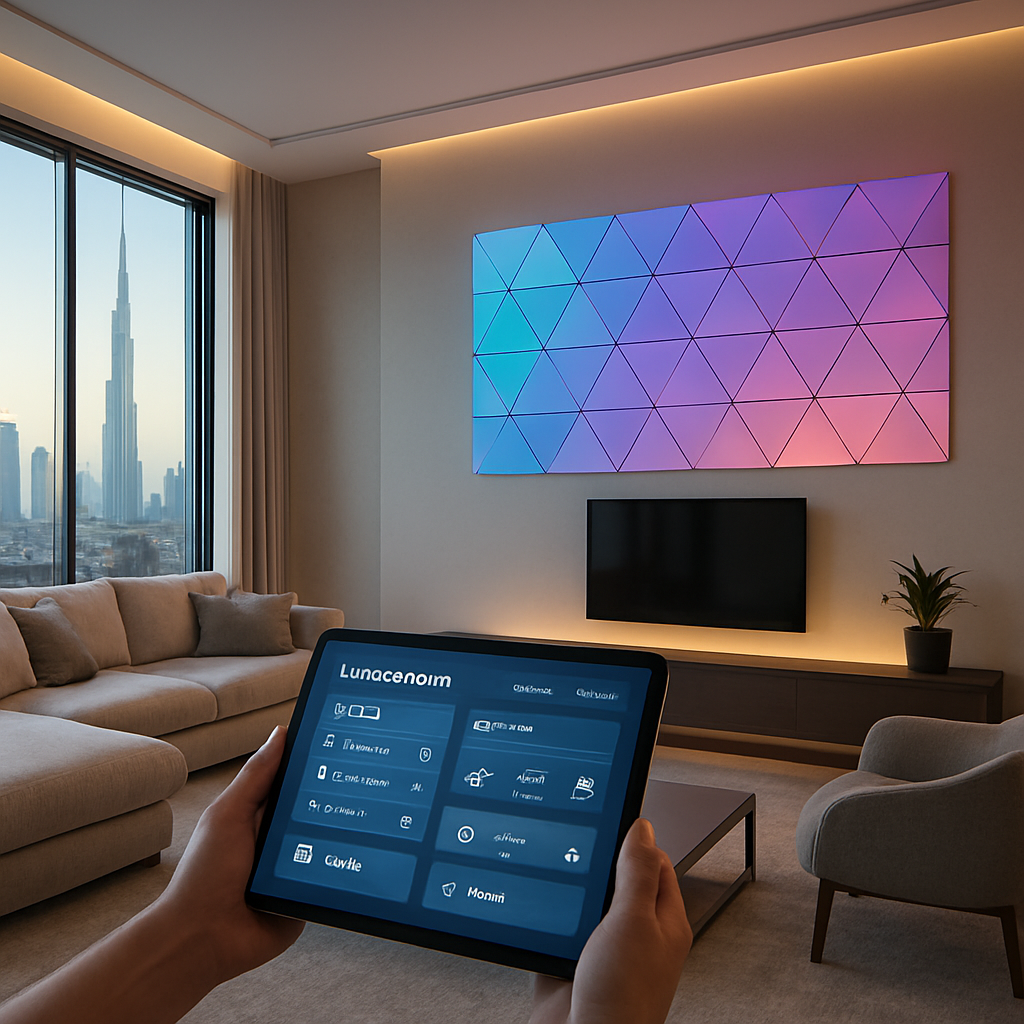
Ever walked into your living room and thought, “I wish the lights knew when I’m home?” That split‑second feeling of wanting everything to just work—comfort, security, energy savings—is what drives most Dubai homeowners toward home automation dubai solutions.
But the market is noisy, and it’s easy to get lost between glossy brochures and vague promises. You might wonder, is there a real difference between a fancy app that flashes colors and a system that actually learns your routine?
In our experience, the sweet spot is a solution that blends local compliance—TDRA‑approved devices—with AI‑driven scheduling that trims the electricity bill without you lifting a finger.
Imagine arriving at a villa on Palm Jumeirah and the climate control already knows you prefer a cooler lounge after a hot day out. The lights dim, the blinds lower, and the security system confirms every door is locked—all before you step through the foyer.
That kind of seamless experience isn’t just a futuristic fantasy; it’s already being rolled out across Dubai’s high‑end apartments and townhouses. The key ingredients are reliable hardware, a unified platform, and a partner who understands the city’s unique wiring and aesthetic standards.
So, what should you look for when you start the conversation? First, ask about certification and how the system integrates with existing wiring—no need to rip out walls. Second, request a live demo that shows real‑time energy dashboards. Finally, confirm that after‑sales support is available 24/7, because a smart home should feel smart even when you’re away.
If any of that sounds like the kind of lifestyle upgrade you’ve been craving, stay with us. We’ll walk you through the planning, design, and installation steps, so you can enjoy a truly connected home without the guesswork.
Ready to turn those “what‑ifs” into everyday conveniences? Let’s explore how home automation dubai can reshape your living space, boost property value, and give you peace of mind—all while keeping the Dubai vibe you love.
TL;DR
Home automation dubai transforms your villa or apartment into a responsive sanctuary, letting lights, climate, and security adjust automatically to your routine.
By choosing certified, AI‑driven solutions you’ll cut energy bills, boost property value, and enjoy peace of mind—without lifting a finger, plus seamless integration with Dubai’s wiring standards ensures a hassle‑free install.
Step 1: Assess Your Property’s Automation Needs
Before you dive into wiring or picking a brand, take a step back and ask yourself what you actually want your home to do for you. Are you after effortless lighting that follows your sunset, climate that adapts to the desert heat, or a security system that alerts you the moment a window opens?
The first thing to do is map out the daily rhythms of your household. Grab a notebook, walk through a typical day, and note every moment you fumble for a switch, adjust the thermostat, or wonder if you left a door unlocked. These pain points become the backbone of your automation blueprint.
Identify Core Zones
In a Dubai villa, zones usually include the entrance lobby, living‑room, master suite, kitchen, outdoor patio, and garage. Each zone has its own comfort and security priorities. For example, the lobby might need motion‑activated lights and a facial‑recognition door lock, while the patio could benefit from moisture sensors that trigger the irrigation system only when the soil is dry.
Next, rank those zones by impact. High‑impact areas – like the main entry and master bedroom – should get the most robust devices and redundancy, whereas low‑impact spots – such as a storage room – can start with simple timers. This ranking helps you allocate budget wisely and avoid over‑engineering.
Now, translate those needs into concrete use‑cases. A common use‑case in Palm Jumeirah villas is “Arrive Home Scene”: the moment your smartphone geofence is triggered, the gate opens, the hallway lights rise to 300 lux, the AC kicks in to 24 °C, and the curtains close to keep the glare out. Write each use‑case on its own line – the clearer the description, the easier it is for an integrator to program the logic.
Don’t forget the “away” and “vacation” modes. When you’re out for a weekend, you’ll want lights to flicker randomly, water valves to shut off, and the security system to send you a snapshot if motion is detected. In our experience, setting these modes early prevents the dreaded scenario where a forgotten device drains the battery while you’re abroad.
Tip: Use a single dashboard to visualize everything before you commit. Platforms like Control4 let you drag‑and‑drop devices into scenes and see real‑time energy stats, which is priceless when you’re weighing a $10 k versus $15 k investment.
To see how these steps play out in a real home, watch the short walkthrough below.
Notice how the system automatically dimmed the living‑room lights as the sun set and synced the thermostat with the outdoor temperature – exactly the kind of behavior we mapped out in the checklist.
A visual checklist can keep you on track during the discovery meeting with your integrator.
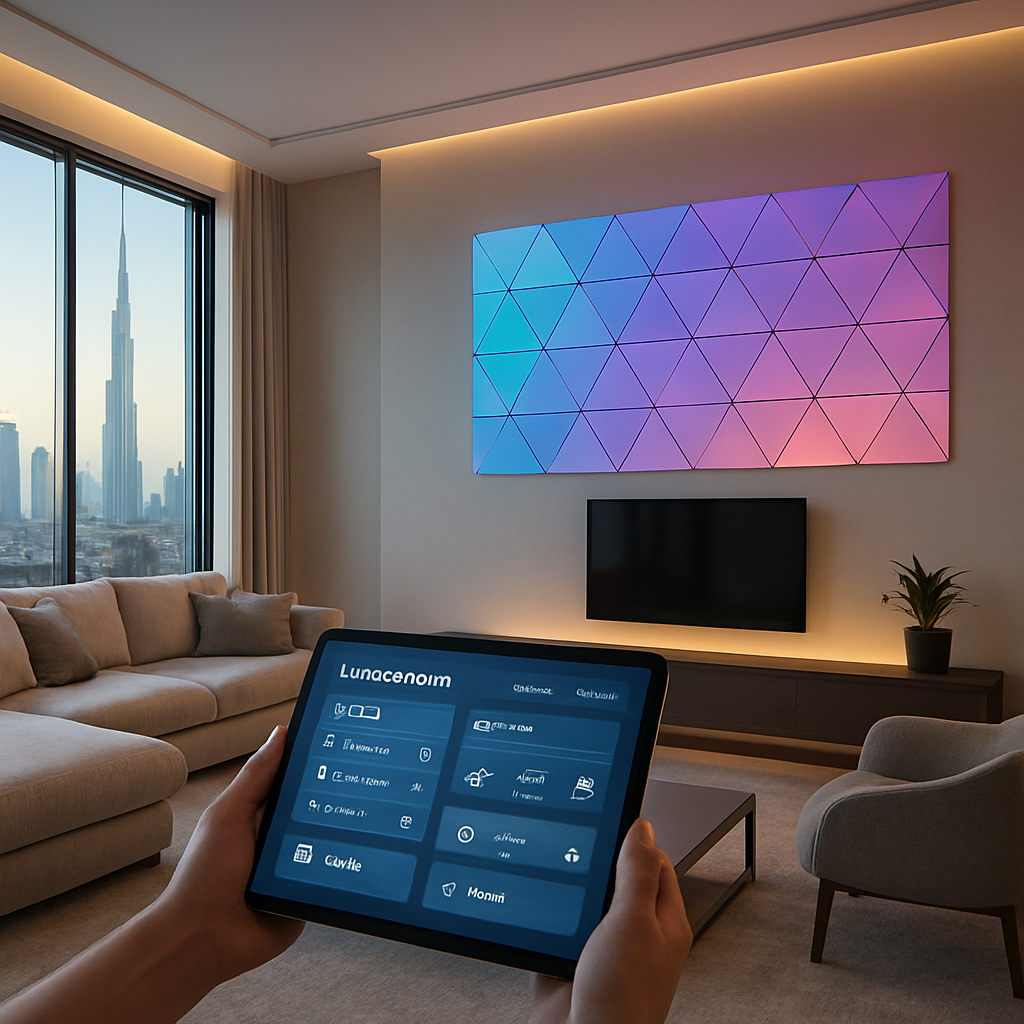
Here’s a quick 5‑point action list you can hand to any certified installer:
- Walk through your home at three different times (morning, afternoon, night) and note every manual adjustment.
- Group those adjustments into zones – entry, living, outdoor, etc.
- Write a one‑sentence scene for each zone (e.g., ‘Evening Relax’ dims lights to 200 lux, closes blinds, plays soft music).
- Prioritize high‑impact zones and assign a budget tier.
- Choose a unified control platform that supports TDRA‑approved devices and offers remote dashboards.
Once you’ve filled out this checklist, you’ll have a crystal‑clear brief that turns vague wishes into a concrete project plan, saving time, money, and the inevitable back‑and‑forth with contractors. That’s the foundation for a smooth, future‑proof home automation dubai rollout.
Step 2: Design a Scalable Smart Home Architecture
Now that you’ve mapped out what you want each zone to do, it’s time to turn those ideas into a structure that can grow with you. A scalable architecture isn’t about buying the flashiest gadget today; it’s about laying a foundation that lets you add, replace, or upgrade without tearing down walls.
Start with a Central Hub, Not a Collection of Silos
Think of the hub as the brain of your villa. In Dubai’s high‑end homes we usually recommend a TDRA‑approved controller that speaks the same language as lights, thermostats, cameras, and irrigation valves. When the hub talks to everything on the same protocol (Zigbee, Z‑Wave, or Matter), you avoid the nightmare of “this switch won’t answer my app.”
So, what should you look for? A controller that supports modular expansion cards, has at least four Ethernet ports for wired backbones, and offers remote access through a secure cloud portal. That way, when you move from a two‑bedroom apartment to a sprawling Palm Jumeirah villa, you simply add more nodes – no new hub needed.
Wire for the Future, Not Just the Present
Dubai’s heat can be brutal, and reliable wiring is the unsung hero of any smart home. Run Cat6 or higher cabling to each major zone now, even if you’re only planning to use Wi‑Fi devices today. The extra cost is marginal compared to retrofitting a ceiling later.
And don’t forget power over Ethernet (PoE) for security cameras and door locks. PoE eliminates separate power adapters, reduces clutter, and lets you place devices wherever you need them – even in outdoor corners where power outlets are scarce.
Layer Your Network: Separate Traffic for Security and Comfort
Imagine you’re streaming a movie on the living‑room TV and, at the same time, a motion sensor triggers the front‑door camera. If both streams share the same Wi‑Fi band, you could see lag or dropped frames. The fix? Create two VLANs – one for high‑priority security devices and another for comfort‑oriented gadgets like lighting and speakers.
Most central hubs let you define these VLANs right from the dashboard, so you don’t need a separate router for each zone. It’s a small step that pays off in reliability, especially during peak summer when everyone’s AC units are humming.
Plan Your Scenes Like a Playlist
When you design scenes, treat them like playlists on your phone. Start with the most common “Arrive Home” and “Good Night” routines, then layer in secondary actions. For example, the “Evening Relax” scene could dim lights to 150 lux, close the blinds, and cue a jazz playlist – all triggered by a single voice command or geofence.
Write each scene in plain language: “When I say ‘Movie Time’, dim living‑room lights to 50 lux, lower the projector screen, and set the AC to 22 °C.” This makes it easy for your installer to translate your vision into code, and it gives you a clear checklist for future tweaks.
Future‑Proof with AI‑Ready Sensors
AI‑driven energy management is becoming standard in Dubai’s luxury market. Instead of hard‑coding schedules, install occupancy and ambient‑light sensors that feed real‑time data back to the hub. The hub can then learn patterns – like when you usually step out for a morning jog – and adjust climate or lighting automatically.
Because the hub stores data locally and syncs to the cloud only when you approve, you keep privacy intact while still benefiting from predictive automation.
Documentation Is Your Safety Net
Every wire run, device model, and scene logic should be logged in a simple spreadsheet or, better yet, in the hub’s built‑in documentation tool. When you sell the property or hand over management to a new concierge, that sheet becomes the roadmap that prevents costly guesswork.
Take a photo of each rack, label cables at both ends, and note firmware versions. A well‑documented system can be upgraded in months instead of years.
Action Checklist
- Pick a TDRA‑approved central hub that supports modular expansion.
- Run Cat6 (or higher) cabling to every major zone now.
- Use PoE for cameras, locks, and any outdoor devices.
- Create separate VLANs for security and comfort traffic.
- Write scenes in plain language and prioritize the most used ones.
- Install occupancy/ambient sensors for AI‑driven adjustments.
- Document wiring, device specs, and scene logic in a single source of truth.
Following these steps gives you a smart home that feels effortless today and stays adaptable tomorrow – exactly the kind of scalable architecture Dubai homeowners crave.
Step 3: Choose Certified Devices and AI‑Powered Solutions
Alright, you’ve wired the house, you’ve got a hub that talks to everything, and now you’re staring at the endless catalog of gadgets on the market. It can feel like choosing a wine for a dinner party when you know nothing about the vintages. The good news? You don’t have to guess. Let’s break down exactly how to pick devices that are both TDRA‑approved and smart enough to learn your habits.
Start with the certification checklist
In Dubai, the Telecommunications and Digital Government Regulatory Authority (TDRA) is the gatekeeper for any device that connects to a network. A certified label means the product has passed EMI testing, data‑privacy safeguards, and local wireless standards. Before you even look at the spec sheet, ask yourself:
- Is the model listed on the TDRA approved devices register?
- Does the manufacturer provide firmware updates that are signed and OTA‑compatible?
- Is there a local warranty or service partner?
If you can answer “yes” to all three, you’ve cleared the first hurdle. This alone protects you from future compliance headaches and ensures the device can coexist with the rest of your network.
Prioritize devices with built‑in AI or open‑source AI integration
AI isn’t just a buzzword; it’s the engine that turns a set of rules into a living system. Look for devices that either ship with native machine‑learning models (like occupancy sensors that predict when a room will be used) or expose an API that lets you feed data into a central AI hub.
For example, a thermostat that learns your morning‑run schedule can pre‑cool the lounge before you step out, shaving a few degrees off your bill without you ever touching a button. Similarly, smart lighting that adjusts color temperature based on ambient light and time of day creates a seamless “sunrise‑sunset” experience that feels natural.
Real‑world example: the Palm Jumeirah villa
One of our recent projects in Palm Jumeirah used a combination of certified lighting modules, AI‑enabled climate controllers, and a voice‑activated security panel. The lighting modules were TDRA‑approved Zigbee devices that also featured built‑in motion‑learning algorithms. After two weeks of occupancy data, the system automatically dimmed the hallway lights to 150 lux after 10 pm, because it learned the residents rarely needed bright light that late.
The climate controller, a TDRA‑certified HVAC interface, linked to a cloud‑based AI engine that correlated outdoor temperature, solar gain on the balcony, and indoor humidity. The result? A 12 % reduction in cooling load during the peak summer months—verified by the building’s energy management system.
Actionable steps to vet each device
- Create a spreadsheet with columns: Device name, Model number, TDRA certification status, AI capability (native or API), Power source (PoE/ mains), Warranty length.
- Contact the manufacturer’s local representative to confirm the latest firmware schedule. Ask for a copy of the certification document.
- Run a short pilot in a single zone. Install the device, let it collect data for 48 hours, then review the logs. Does it adjust without manual input? Does it send alerts to the hub?
- Document the pilot results in your master “device log.” Include any quirks, like latency on the Wi‑Fi band, so you can plan VLAN placement later.
- Once the pilot passes, scale the device to the rest of the house, updating your VLAN map and PoE budget accordingly.
Tip: Separate security‑critical devices from comfort‑focused ones
Even though a smart lock might have AI‑driven facial recognition, it belongs on the security VLAN. This isolates it from bandwidth‑hungry streaming devices and reduces the risk of a denial‑of‑service attack affecting your door lock. The same logic applies to cameras, motion sensors, and any device that logs personally identifiable information.
Future‑proofing with modular AI platforms
When you select a hub, make sure it supports modular AI extensions—think plug‑in “skill” packages that you can add as new use‑cases emerge. A modular hub lets you start with basic lighting automation and later add predictive water‑leak detection or energy‑budget forecasting without replacing the whole system.
In practice, we’ve seen developers roll out a “smart garden” module that taps into soil‑moisture sensors and weather forecasts to water only when needed. The same hub that controls your lights now also protects your landscape, and because the module runs on the same certified backbone, you stay compliant.
Bottom line checklist
- Verify TDRA certification for every device.
- Choose AI‑enabled or API‑ready hardware.
- Run a quick pilot before full rollout.
- Document everything in a single source of truth.
- Segregate security and comfort traffic via VLANs.
- Prefer hubs that allow modular AI extensions.
Following this approach turns the overwhelming sea of smart gadgets into a curated toolbox that works together, learns from you, and stays within Dubai’s regulatory framework. You’ll end up with a home that not only feels futuristic but actually saves you time, energy, and peace of mind.
Step 4: Integrate Systems for Seamless Control
Now that you’ve picked certified devices and a hub that speaks the same language, the real magic happens when everything talks to each other. Think of it like a well‑rehearsed orchestra: each instrument knows its cue, the conductor (your hub) keeps tempo, and the audience – you – enjoys a flawless performance.
Map the data flows before you flip the switches
Start by drawing a simple diagram on a sheet of paper or a digital whiteboard. List every sensor, actuator, and controller you plan to install, then draw lines showing which device will send data to which other device. For example, a motion sensor in the hallway should trigger both the entry‑way lights and the security camera. By visualizing these connections early you avoid the classic “I thought the lock would close automatically, but it never did” moment.
Does that sound a bit abstract? Here’s a concrete scenario: In a Palm Jumeirah villa we wired a humidity sensor in the bathroom to the central hub, which then told the exhaust fan to kick in and the smart thermostat to lower the cooling set‑point by 2 °C. The result? A 5 % reduction in AC runtime during humid evenings, verified by the energy dashboard.
Leverage a unified automation platform
When you choose a platform that supports both Matter and Zigbee, you get the freedom to mix and match devices without juggling separate apps. The Aeotec Smart Home Hub 2 is a good example – it can host over 1,000 Matter‑certified gadgets and still talk to legacy Zigbee gear. That means you can add a new smart sprinkler controller next summer without buying a whole new hub.
In practice, we’ve seen homeowners start with lighting and security, then later plug in a water‑leak detector that uses the same hub’s AI engine to predict pipe failures. The hub runs most automations locally, so even if your internet hiccups, the house stays alive.
Separate networks for security‑critical and comfort devices
Remember the VLAN trick from Step 2? It’s worth revisiting. Put cameras, smart locks, and any device that handles personally identifiable information on a high‑priority VLAN. Put speakers, smart bulbs, and entertainment gear on a separate, lower‑priority VLAN. This isolation prevents a streaming binge from choking the bandwidth needed for a door‑bell alert.
Pro tip: label each VLAN with a clear name – “Security‑Zone” and “Comfort‑Zone” – and document the IP ranges in the hub’s network map. When a new device joins, you’ll know exactly where it belongs.
Build reusable scenes and automations
Instead of programming each device individually, create “scenes” that bundle actions. A “Good Night” scene might lock every door, turn off all lights, lower the thermostat to 22 °C, and arm the motion sensors. Write the scene in plain English – the hub’s UI will often let you copy‑paste the description into the automation script.
Here’s a quick checklist for each scene:
- Define the trigger (geofence, time, button press).
- List every device action, with exact values (e.g., “Living‑room lights → 150 lux”).
- Specify the VLAN for each device to ensure traffic priority.
- Test the scene in a single zone before rolling it out house‑wide.
When you test, watch the hub’s logs – most platforms show a timeline of events, so you can spot a lagging device before it becomes a nuisance.
Integrate AI‑driven insights
AI isn’t just for fancy dashboards; it can close loops you didn’t even know existed. Enable occupancy sensors that feed data to the hub’s AI engine. After a week of learning, the system might notice that you rarely use the patio lights after 10 pm on weekdays and automatically dim them to save energy.
In one recent Dubai apartment, the AI module learned that the resident opened the balcony door every morning at 7 am for a quick breath of fresh air. It pre‑cooled the adjacent lounge a few minutes earlier, shaving off 0.8 kWh per day – a tiny win that adds up over a year.
Document everything – your future self will thank you
Every wire, firmware version, and automation rule should live in a single source of truth. A shared Google Sheet works, but many hubs have built‑in documentation tools that export to PDF. Include screenshots of scene definitions, VLAN configurations, and device health dashboards.
When you sell the villa or hand over management to a property‑manager, this documentation becomes the hand‑off checklist that prevents costly guesswork.
Actionable 7‑step integration plan
- Sketch a data‑flow diagram linking sensors, actuators, and the hub.
- Install a Matter‑compatible hub (e.g., Aeotec Smart Home Hub 2) and connect all certified devices.
- Create two VLANs – Security‑Zone and Comfort‑Zone – and assign devices accordingly.
- Build core scenes: Arrive Home, Good Night, Away Mode.
- Enable AI occupancy sensors and let the hub train for 48‑72 hours.
- Test each scene in one zone, review hub logs, and tweak delays.
- Document wiring, firmware, scene logic, and VLAN settings in a single PDF file.
Following these steps turns a collection of gadgets into a cohesive, future‑ready system that feels like it’s reading your mind – the ultimate goal of home automation dubai.
And if you’re curious how all of this fits into a larger, luxury‑grade solution, check out our overview of Luxury Smart Home Automation for Villas & Apartments in Dubai. It ties the technical details back to the lifestyle you’re after.
Step 5: Compare Leading Home Automation Platforms for Dubai
Now that you’ve wired the house and picked certified devices, the next big question is which control platform will actually make everything work together in Dubai’s climate and regulatory landscape.
What you should evaluate first
First, ask yourself if the platform talks the same language as your devices – Zigbee, Z‑Wave, Matter, or Ethernet. If it can bridge those protocols, you won’t end up with a half‑connected room.
Second, look at the AI and scheduling engine. A good platform learns when you typically turn on the pool pump or lower the blinds, then suggests a scene before you even think about it.
Third, verify TDRA certification or at least a proven compliance record. In Dubai, a non‑certified hub can cause headaches with the telecom regulator and may void warranties.
Finally, consider the local support ecosystem. A platform with a strong partner network in the UAE means faster firmware updates and on‑the‑ground service when something goes wrong.
Top three platforms we see most in luxury villas
Below is a quick side‑by‑side look at the three platforms that keep showing up in our projects across Palm Jumeirah, Downtown and Dubai Hills.
| Platform | Protocol support | AI / scheduling | TDRA compliance | Typical cost tier |
|---|---|---|---|---|
| Control4 | Matter, Zigbee, Z‑Wave, Ethernet | Built‑in learning engine, scene‑builder | Certified through local partner | Premium |
| Crestron | Ethernet, RS‑232, IP, custom | Advanced occupancy analytics, predictive climate | Works with TDRA‑approved modules | Enterprise |
| Savant | Matter, Zigbee, Wi‑Fi | Simple AI routines, voice‑first integration | Local installer ensures compliance | Mid‑range |
Notice how all three support Matter – that’s the new universal language that will future‑proof your home for the next five years. If you’re starting small, Savant’s pricing makes it easier to add rooms gradually.
But if you’re already planning a full‑home video‑wall, a Crestron system can handle the bandwidth and custom control lines without a hiccup.
Control4 shines when you need a robust scene‑builder that non‑technical owners can edit on a tablet. Crestron excels in large‑scale installations where you need granular control over AV distribution. Savant offers a slick, voice‑centric experience that works well for younger families who love Alexa or Google Assistant.
Real‑world example from a Palm Jumeirah villa
We recently installed a Control4 hub in a 7‑bedroom villa where the owners wanted the pool lights to sync with the sunset and the garden irrigation to pause when a rain sensor detected moisture.
After a two‑day learning period, the platform automatically dimmed the pool LEDs to 30 % once the ambient light fell below 200 lux, and it sent a push notification to the owner’s phone when the rain sensor triggered – saving roughly 15 % in water usage.
The same setup on a Crestron system required a custom script, which worked fine but added extra engineering hours and a higher bill.
In a downtown apartment, a Savant installation let a tenant control lighting, climate and door lock with a single voice command. The AI routine learned that the tenant usually turned off the bedroom lights at 11 pm, so it added a “Good Night” scene that also lowered the thermostat by 2 °C to save energy.
Enterprise‑grade AI orchestration
If you’re thinking about tying your home hub into a larger building‑management system, you might explore an enterprise automation engine such as UiPath’s AI platform. While not a consumer‑grade hub, it can coordinate data from multiple homes, run predictive analytics and push firmware updates across a portfolio of villas.
That kind of top‑level orchestration is especially useful for property‑management companies that oversee dozens of smart residences and need a single dashboard for energy reporting.
Actionable checklist for picking your platform
- List every device you plan to install and note its native protocol.
- Match those protocols against the platform’s supported list.
- Confirm the vendor or installer can provide TDRA‑approved firmware updates.
- Ask for a live demo of the AI scene builder – try creating an “Evening Relax” scene on the spot.
- Get a written SLA that includes 24/7 local support and a firmware rollout schedule.
- Plan your VLAN architecture now: separate security traffic from comfort traffic to avoid bandwidth clashes.
Once you’ve ticked those boxes, you’ll have a clear picture of which platform fits your budget, your timeline and your long‑term scalability goals.
And remember, the platform is only as good as the data it receives. Pair it with reliable occupancy sensors, temperature probes and a solid VLAN layout, and you’ll end up with a home that feels like it’s reading your mind.
Security, privacy and future upgrades
Because Dubai’s data‑privacy laws are strict, choose a platform that stores logs locally and only syncs to the cloud with explicit consent. Look for end‑to‑end encryption on the control app and the ability to disable remote access when you’re on vacation.
When a new device hits the market – say a solar‑powered garden sensor – you want to add it without re‑architecting the whole network. Platforms that support modular plug‑ins let you drop in a new driver in minutes, keeping your system future‑ready.
With the right platform in place, your home automation dubai journey becomes a smooth, scalable experience that grows with your lifestyle.
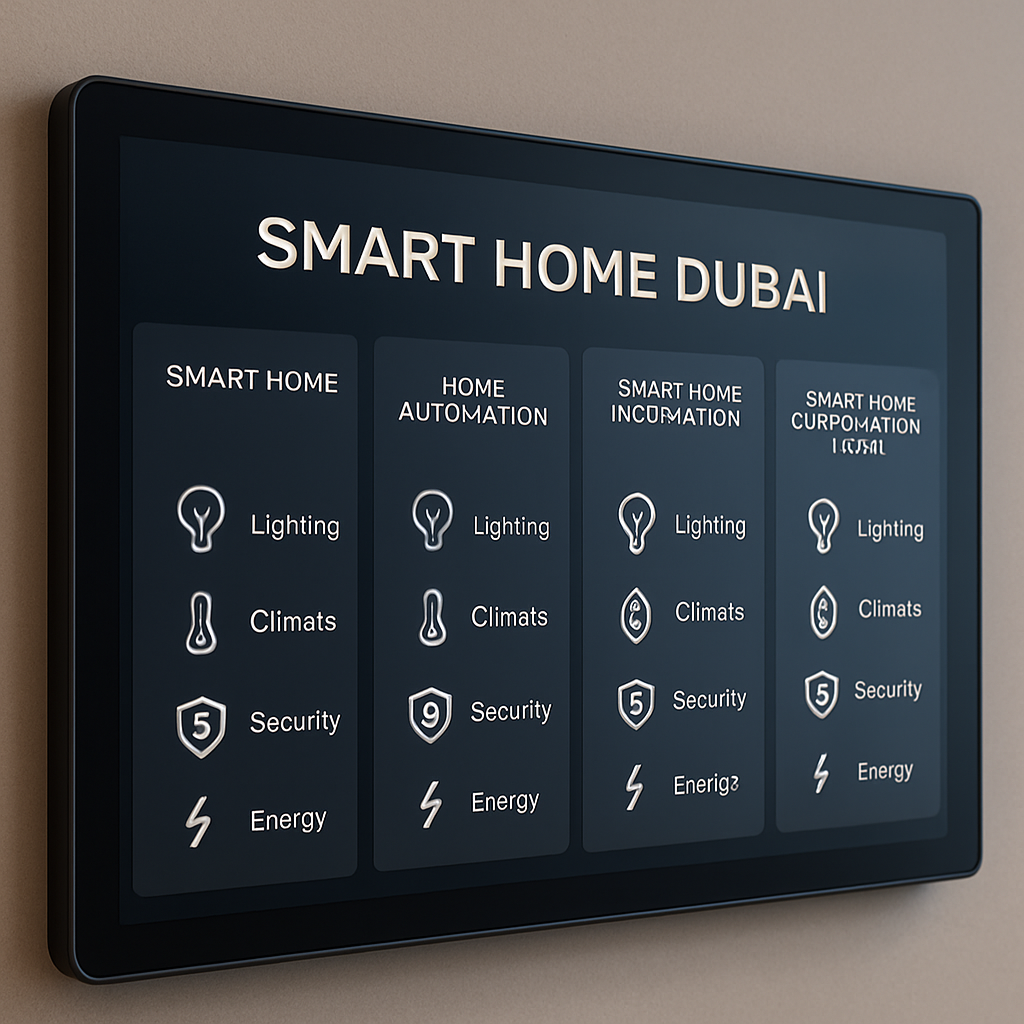
Step 6: Ensure Ongoing Support, Energy Efficiency, and Compliance
Now that the wiring, devices, and scenes are in place, the real test begins: keeping everything humming smoothly for years to come. In Dubai’s scorching summer and ever‑changing regulations, a smart home that works today can become a headache tomorrow if you don’t plan for support, energy savings, and compliance from the start.
Set up a support lifecycle, not a one‑off install
First thing I ask every client: who will be the point person when a sensor stops reporting or a firmware update breaks a scene? The answer should be a clear service contract, not a vague “call us if you need help” promise.
We recommend three tiers:
- Basic monitoring: remote health checks every month, automatic firmware pushes, and a ticket portal for non‑critical issues.
- Proactive maintenance: quarterly site visits, battery replacements for wireless nodes, and performance tuning based on energy‑usage reports.
- Premium 24/7 support: on‑call engineers, rapid response for security‑critical alerts, and a dedicated account manager who knows your villa’s layout.
Choosing a tier early lets you budget for OPEX instead of scrambling for a fix after a blackout.
So, what should you do next? Draft a Service Level Agreement (SLA) that spells out response times, escalation paths, and the scope of firmware management. A written SLA becomes the safety net that keeps your home automation dubai system reliable even when you’re on a weekend getaway.
Track energy performance like a utility bill
Smart homes are supposed to save you money, but only if you actually look at the data. Set up an energy dashboard that pulls real‑time kWh readings from smart meters, HVAC controllers, and lighting modules. In our experience, owners who review the dashboard weekly spot anomalies – like a lounge light left at 100 % for a month – and cut waste by 8‑12 %.
Here’s a quick five‑step energy‑audit routine you can follow:
- Log into the hub’s energy page every Sunday evening.
- Compare each zone’s consumption to the baseline you recorded during the first 30 days.
- Flag any zone that exceeds the baseline by more than 10 %.
- Adjust scene parameters (e.g., lower dimming levels, tighten HVAC set‑points) and re‑run the dashboard for 48 hours.
- Document the change and its impact in a simple spreadsheet.
Over time, the dashboard becomes a habit, and you’ll notice the HVAC system automatically reducing cooling load after a heat‑wave because the AI learned your occupancy pattern.
Stay ahead of Dubai’s compliance curve
TDRA’s regulations evolve, especially around data privacy and wireless spectrum usage. A system that’s compliant today can become non‑compliant if a new firmware version introduces an unsecured protocol.
Two practical habits keep you on the right side of the regulator:
- Subscribe to the vendor’s security bulletin – most certified manufacturers send a monthly email with patch notes.
- Schedule an annual compliance audit with a local certified integrator. The audit checks encryption settings, data‑retention policies, and whether any device is still using deprecated 2.4 GHz channels that conflict with new municipal Wi‑Fi.
If you need a benchmark for how a global automation leader approaches compliance, check out Rockwell Automation’s digital transformation framework. While they serve industrial plants, the same principles of regular firmware reviews and documented change control apply to luxury villas.
Plan for future upgrades without re‑cabling
Imagine you want to add a solar‑powered garden sensor next year. Because you ran Cat6 to every zone and set up PoE switches, you can simply plug the new device into an existing outlet – no new trenching required.
Make a “future‑device inventory” list now: note the power budget, PoE ports available, and VLAN slot for each rack. When a new gadget arrives, you only need to assign it to the appropriate VLAN (security or comfort) and update the scene library.
Action checklist – keep it simple
- Sign a three‑tier SLA with clear response times.
- Enable an energy dashboard and schedule a weekly review.
- Subscribe to vendor security bulletins and set a calendar reminder for an annual compliance audit.
- Document all wiring, PoE ports, and VLAN assignments in a single PDF.
- Run a quarterly “new‑device drill”: add a mock sensor, configure it, and verify it doesn’t break existing scenes.
By treating support, energy efficiency, and compliance as ongoing chores rather than one‑off tasks, you turn your home automation dubai investment into a living system that grows with you, saves you money, and stays square with Dubai’s regulations. Ready to lock in that peace of mind? Reach out for a free post‑install health check and we’ll walk you through the next steps.
FAQ
What is home automation dubai and why should I consider it for my villa?
Home automation dubai means wiring your living space so lights, climate, security and entertainment talk to each other through a central hub. In a Dubai villa the heat, the security expectations and the sheer size of the property make a coordinated system far more comfortable than a patchwork of remote‑controlled gadgets. You end up with fewer manual steps, lower energy bills, and a home that feels like it anticipates your needs.
How do I choose TDRA‑approved devices for my smart home?
Start by checking the TDRA certified‑devices register – every model that carries the label has passed local EMI, data‑privacy and wireless‑spectrum tests. Ask the vendor for a copy of the certification sheet and confirm they push signed OTA firmware updates. In practice, we look for devices that offer both a local‑control API and a clear warranty from an authorized UAE dealer. That way you stay compliant and you can get support without jumping through hoops.
Can I add new gadgets later without rewiring the whole house?
Absolutely. If you ran Cat6 and installed PoE switches during the initial build, any future sensor, camera or smart plug can simply snap into an existing outlet. Just assign it to the correct VLAN – security or comfort – and update the scene library in the hub. Because the backbone is already in place, you avoid costly trenching and you can scale from a two‑bedroom apartment to a sprawling Palm Jumeirah villa without a major remodel.
What maintenance routine keeps my system running smoothly?
We recommend a three‑tier approach: basic monitoring (monthly health checks and automatic firmware pushes), proactive maintenance (quarterly site visits, battery swaps for wireless nodes, and a quick review of energy dashboards), and premium 24/7 support for security‑critical alerts. Set a calendar reminder to review VLAN traffic, verify that all devices report a healthy status, and tweak scene timings after seasonal changes. A short, repeatable checklist saves you from surprise outages.
How does AI improve energy efficiency in a Dubai home?
AI learns when rooms are occupied, how the sun moves across your façade, and how often you adjust the thermostat. After a week of data, the hub can pre‑cool the lounge just before you step out for a morning run, or dim outdoor lighting once ambient lux drops below a threshold. Those micro‑adjustments shave a few kilowatt‑hours each day, which adds up to noticeable savings on a utility bill that would otherwise spike during the peak summer months.
Is my data safe with a home automation system in the UAE?
Data safety starts with local compliance. Choose a hub that stores logs on‑premise and only syncs to the cloud after you grant permission. End‑to‑end encryption between the hub, devices and the mobile app is a must, and the system should let you disable remote access when you’re on vacation. Regularly audit firmware versions and follow the vendor’s security bulletins – that’s how we keep personal data out of the wrong hands.
How much does a full‑home automation project typically cost in Dubai?
Pricing varies by villa size, device mix and desired AI features, but most luxury projects fall between AED 150,000 and AED 350,000. The bulk of the cost is the certified hub, structured cabling and professional installation. Add‑ons like solar‑powered garden sensors or advanced occupancy analytics are priced per unit, usually a few thousand dirhams each. A clear budget worksheet, which we provide during the design phase, helps you see exactly where every dirham goes.
Conclusion
By now you’ve seen how a thoughtfully designed home automation dubai system can turn a sprawling villa into a responsive, energy‑smart sanctuary.
The key threads? Certified hubs, AI‑driven scenes, and a clean VLAN backbone that keeps security traffic separate from entertainment.
When you document wiring, firmware versions, and scene logic in one place, future upgrades become a plug‑and‑play chore instead of a costly trenching project.
And the energy side? Simple dashboards let you spot a rogue bulb or an over‑cooling HVAC loop in minutes, shaving a few kilowatt‑hours each day – the kind of savings that show up on your utility bill without you lifting a finger.
So, what’s the next step? Grab a quick, no‑obligation site survey from Smart Citizens. We’ll map your villa, flag compliance gaps, and sketch a rollout plan that fits your budget and lifestyle.
When the plan lands, you’ll have a home that anticipates your morning run, secures the front door while you’re on vacation, and keeps energy costs in check – all while staying fully TDRA‑compliant.
Remember, a smart home isn’t a set‑and‑forget gadget; it thrives on regular firmware updates, quarterly performance reviews, and a clear SLA. Treat it like any luxury asset – maintain it, and it rewards you for years to come.